The best fragrance-free face moisturizers for healthy, glowing skin
Face, moisturizer, cream, lotion
Thursday, December 4, 2025

Moisturizers are personal. If you’re anything like me, the search for the right one has involved more research, late-night ingredient browsing, follow-up emails to brands on composition, and patch testing than I’d care to admit. And when I finally found “the one” … a fragrance-free, hydrating face cream that calmed and enriched my skin the brand quietly changed the formula, and my skin reacted immediately.
So, the goal was simple. Find a small set of moisturizers that work across skin types, and even for sensitive, reactive, or fragrance-intolerant skin.
This guide is here to help you choose the best option for your skin type, concerns, and budget. There are countless moisturizers on the market, but not all are formulated equally. Many products labeled “fragrance-free” or “clean” still contain hidden botanicals, citrus oils, lavender, or masking fragrance, causing products to have scent. These ingredients can be irritating for anyone, not just for people with sensitive skin. If you’re wondering how fragrance-free labeled products can have a scent, check out our deep dive on the topic and regulatory loopholes.
This list is intentionally small for now, and growing. Every product included is one that fits easily into any routine, whether you prefer a full double digit step regimen or the simplicity of just a moisturizer and an SPF. Each formula layers well, supports hydration, and keeps the barrier stable through weather shifts, travel, indoor heating, stress, and other triggers that send skin into a spiral.
Below, I break down the top fragrance-free moisturizers that actually work. No hidden irritants. No essential oils. No surprises. Just formulas focused on hydration, lipid balance, and barrier repair.
Products recommended and reviewed by The Fragrance Free are products we use, love, or have heavily researched. If you click an affiliate link and make a purchase, we may receive a small commission (at no extra cost to you) that we will use to explore more amazing fragrance-free products.
How do moisturizers actually work?
To understand how moisturizers work the way they do, it helps to know what they’re actually interacting with. The skin has three main layers: the epidermis, dermis, and subcutaneous tissue. Moisturizers primarily act on the top portion of the epidermis, called the stratum corneum.
The stratum corneum is your barrier and is made of flattened skin cells or corneocytes, surrounded by a matrix of lipids: ceramides, cholesterol, and fatty acids, arranged in that 3:1:1 ratio. This layer controls hydration, keeps irritants out, prevents transepidermal water loss , and determines whether skin feels calm or reactive.
Primary moisturizer ingredients and their functions:
Occlusives sit on top of the stratum corneum to slow water loss.
Emollients + lipids integrate into the lipid matrix, smoothing gaps and rebuilding structure.
Humectants pull water into the stratum corneum so the layer stays hydrated and flexible. Calming ingredients further buffer inflammation within the epidermis, reducing reactivity and supporting repair.
A great moisturizer is a multi-purpose tool built from the above three core ingredient groups: occlusives, emollients, and humectants. When they’re in the right balance, your skin stays nourished, protected, and stable… the things that matter most for barrier health. A well-formulated moisturizer works with your skin’s biology to keep hydration in place, reinforce the lipid structure, and calm or prevent reactivity that can show up as redness, tightness, or burning.
Dermatology research consistently shows that barrier-supportive moisturizers improve hydration and reduce irritation across all skin types.

Moisturizing ingredients & their function
1. Occlusives seal in hydration
Occlusives sit on the surface of the skin and create a breathable barrier that slows down transepidermal water loss. Simply put, occlusives prevent and slow the evaporation of you skin’s hydration. When water escapes too quickly, skin feels tight, papery, and dehydrated even if you’re using all the right serums.
Common occlusives on ingredient labels & functions:
Dimethicone – A silicone polymer made of repeating siloxane units that forms a flexible, breathable film on the skin’s surface. Its molecular structure reduces transepidermal water loss (TEWL) and enhances hydration without clogging pores. Examples on labels: Dimethicone, Cetearyl Dimethicone, Dimethicone Crosspolymer, PEG/PPG Dimethicone variations.
Caprylic/Capric Triglyceride – A medium-chain triglyceride produced by esterifying glycerol with caprylic and capric fatty acids from coconut. Its lightweight, oily texture creates an occlusive layer that’s spreadable. Examples on labels: Caprylic/Capric Triglyceride, C8-10 Triglycerides.
Hydrogenated Polyisobutene – A synthetic, high-molecular-weight hydrocarbon that mimics the structure of squalene but functions as an occlusive film former. Provides cushion and reduces water loss without feeling greasy. Examples on labels: Hydrogenated Polyisobutene
Isododecane – A branched hydrocarbon with a fast-evaporating top note that leaves behind a thin occlusive layer. Often used to enhance slip, prevent moisture evaporation, and stabilize textures. Examples on labels: Isododecane
Petrolatum – A highly effective occlusive that creates a protective seal to prevent moisture loss, especially when applied on damp skin. Examples on labels: Petrolatum, White Petrolatum.
Shea Butter – A dense, natural fat rich in stearic and oleic acids. When the buttery, tick occlusive melts at skin temperature, it forms an occlusive layer that supplies barrier-r supporting lipids. Examples on labels: Shea Butter, Butyrospermum Parkii Butter.
Squalane – A saturated, highly stable hydrocarbon derived from sugarcane or olives. Its a silky, non-greasy emollient-occlusive hybrid that mimics the skin’s natural oils and functions primarily to slow moisture loss while improving softness. Examples on labels: Squalane, Hydrogenated Squalene.
Synthetic Waxes – Hydrocarbon or ester waxes that melt at skin temperature, forming an occlusive barrier. Examples on labels: Microcrystalline Wax, Polyethylene Wax
2. Emollients + lipids feed the skin barrier
Your skin barrier is built from different lipids - ceramides, cholesterol, and fatty acids - arranged in a matrix that functions like a winter coat: the outer fabric blocks the wind, the insulation keeps warmth in, and the lining adds softness. Functionally, your barrier works in a similar way by protecting the skin, preventing moisture from escaping, and maintaining stability underneath.
When conditions work against you, like harsh and cold weather, indoor heating, or low humidity, that protective lipid structure can thin or flatten. Small gaps form, your skin looses water faster, causing skin to become dry, depleted, and irritated. This is why the skin naturally relies on a specific ratio of ceramides, cholesterol, and fatty acids (3:1:1) to stay strong, flexible, and intact.
Emollients help smooth and fill these gaps, while lipid-replenishing ingredients rebuild the structure itself. When these components are present in the right ratio, the barrier becomes more resilient, more flexible, and far better at holding hydration. Without them, even the most hydrating serum evaporates before it can make a real impact.
Common emollients + lipids on ingredient labels functions:
Ceramides – A family of sphingolipids that make up ~50% of the skin barrier by composition. They fill the spaces between corneocytes, and function to restore skin barrier structure and improve flexibility and smoothness. Examples on labels: Ceramide NP, Ceramide AP, Ceramide EOP.
Cholesterol – A key structural lipid comprising ~25% of the stratum corneum’s lipid matrix. It enhances barrier flexibility, improves repair, and optimizes lipid organization.. Examples on labels: Cholesterol.
Fatty Acids – Long-chain lipids that help rebuild the barrier, support ceramide synthesis, and improve smoothness and flexibility. Examples on labels: Linoleic Acid, Stearic Acid, Palmitic Acid.
Fatty Alcohols – Waxy, long-chain alcohols (not drying alcohols) that soften skin and support the lipid structure. They also stabilize emulsions and prevent moisture loss. Examples on labels: Cetearyl Alcohol, Behenyl Alcohol.
Plant Oils – Lipid-rich oils containing triglycerides, fatty acids, and phytosterols that replenish lost lipids and offer antioxidant support. Examples on labels: Jojoba Seed Oil, Sunflower Seed Oil, Meadowfoam Seed Oil.
Phytosterols – Plant-derived sterols structurally similar to cholesterol. They restore suppleness and support barrier repair by integrating into the lipid matrix. Examples on labels: Beta-Sitosterol
Triglycerides – Lipid molecules composed of glycerol and fatty acids. They provide softness, improve texture, and help restore the lipid layer. Examples on labels: Triglycerides, Caprylic/Capric Triglyceride
You might also see some formulas use broader barrier-support terms like ceramide complex, skin-identical lipids, omega fatty acids, or NMF (natural moisturizing factors). These are catch-all phrases that signal the presence of multiple lipid-replenishing ingredients working together.
3. Humectants + supportive ingredients calm and stabilize the skin
Humectants draw water into the outer layers of the skin, helping soften, hydrate, and reduce surface roughness. When combined with calming, anti-inflammatory ingredients (like allantoin, panthenol, or oat derivatives) and then sealed in with a moisturizer, the skin becomes more hydrated, less reactive, and far more resilient.
Common humectants you’ll see on labels
Aloe Vera – A plant-derived polysaccharide gel composed primarily of water, mucopolysaccharides, amino acids, and phytosterols. Its long-chain sugars (acemannan, glucomannans) bind water effectively at the skin’s surface, forming a lightweight hydrating film while providing mild soothing benefits. Examples on labels: Aloe Barbadensis Leaf Juice

Beta-Glucan – A long-chain polysaccharide derived from oats, yeast, or mushrooms. Its branching molecular structure allows it to act as both a humectant and film-former, binding water and reinforcing the skin’s surface defenses. It is also known for its immune-modulating and wound-supportive properties. Examples on labels: Beta-Glucan
Glycerin – A simple three-carbon sugar alcohol naturally present in the skin’s own natural moisturizing factor (NMF). It attracts and holds water within the stratum corneum, helping maintain hydration, elasticity, and smooth texture. Examples on labels: Glycerin
Hyaluronic Acid – A glycosaminoglycan (a water-binding polymer) found naturally in the extracellular matrix of the skin. Its can bind up to 1,000× its weight in water and helps increase hydration at multiple levels, improving plumpness and surface smoothness. Examples on labels: Hyaluronic Acid, Sodium Hyaluronate
Sodium PCA – A naturally occurring component of the skin’s NMF derived from amino acids. It has exceptional hygroscopic properties, meaning it pulls moisture from the environment and binds it to the skin. This helps maintain surface hydration and soften roughness. Examples on labels: Sodium PCA
Urea ( 2–5%) – At low concentrations (2–5%), it functions primarily as a humectant, increasing hydration and improving softness. It also mildly loosens dry, hardened skin, supporting gentle exfoliation without irritation. Examples on labels: Urea
Common calming + supportive ingredients
Allantoin – A naturally occurring compound found in comfrey or created synthetically. Its small molecule size allows it to penetrate the upper layers of the skin, where it helps soothe irritation, reduce redness, and support a healthier barrier repair cycle. Examples on labels: Allantoin
Bisabolol – A sesquiterpene alcohol most commonly derived from chamomile or created synthetically. It provides anti-inflammatory and skin-soothing properties, though it can carry a scent and thus may be a trigger for individuals sensitive to botanical extracts. Examples on labels: Bisabolol
Colloidal Oatmeal – A finely milled oat preparation containing β-glucans, avenanthramides, and lipids. These compounds help reduce inflammation, relieve dryness, and reinforce the skin’s moisture barrier. Examples on labels: Colloidal Oatmeal, Avena Sativa Kernel Extract
Madecassoside & Centella Asiatica derivatives – Bioactive triterpenoids extracted from Centella Asiatica (Gotu Kola). These compounds—including madecassoside, asiaticoside, and asiatic acid are highly soothing, regulate inflammation and support barrier repair; commonly found in products marketed for redness and sensitivity. Examples on labels: Madecassoside, Asiaticoside, Centella Asiatica Extract
Panthenol (Pro-Vitamin B5) – A water-soluble vitamin (B5 precursor) that converts to pantothenic acid in the skin. It supports hydration, reduces inflammation, improves elasticity, and enhances barrier recovery—making it a widely used soothing agent. Examples on labels: Panthenol, Pro-Vitamin B5
Why your moisturizer may not be working
If you feel like moisturizers never hydrate your skin enough, the issue may not be the moisturizer itself. Skin needs both hydration and moisturization to stay balanced. Hydration comes from water-binding ingredients like glycerin, hyaluronic acid, toners, mists, and hydrating serums. Moisturization comes from creams and lotions that seal that hydration in.
Most moisturizers are naturally occlusive. They trap water that is already in the skin. If there is no hydration underneath, your skin can remain dry even when you use a heavier cream. This is why pairing your moisturizer with a hydrating serum is essential. Serums have smaller molecules that can sink deeper into the skin, while moisturizers sit on top and lock everything in. Applying moisturizer without any hydration beneath it is essentially sealing in dryness.
A good moisturizer should do three things:
Seal hydration by creating a barrier that reduces water loss.
Feed the skin barrier with lipids, ceramides, and humectants that support the outer layer.
Calm inflammation by avoiding common triggers like fragrance, alcohols, and reactive preservatives.
Fragrance-free formulas excel here because they deliver barrier-supportive nutrients without the irritants that so often disrupt or inflame the skin.
Fragrance-free Moisturizers
Review Qualifications
Below, you will find five carefully evaluated moisturizers. Each one has been reviewed through The Fragrance Free’s proprietary tier system, which looks beyond the marketing label and analyzes the entire formulation. The system evaluates:
Whether the product is truly fragrance free, including any essential oils, botanical extracts, flavors, or masking agents.
The presence of scented or sensitizing ingredients, even when they are not listed as fragrance.
The placement of each ingredient within the full list, noting that higher placement indicates higher concentration.
The type and safety profile of synthetic ingredients, including PEGs, polymers, silicones, and stabilizers.
The preservative system, assessing whether it relies on low-irritation options or higher-risk preservatives.
Synthetic ingredients with potential health or environmental concerns.
Third-party standards, such as EWG ratings, the National Eczema Association Seal of Acceptance, and cruelty-free certifications like Leaping Bunny.
This approach allows us to identify formulas that are not only fragrance free on paper, but also low risk for irritation, barrier disruption, or hidden scent. It is a stricter and more transparent standard than typical “fragrance-free” or “clean” labels, and helps ensure that the products we recommend support calm, balanced, healthy skin.
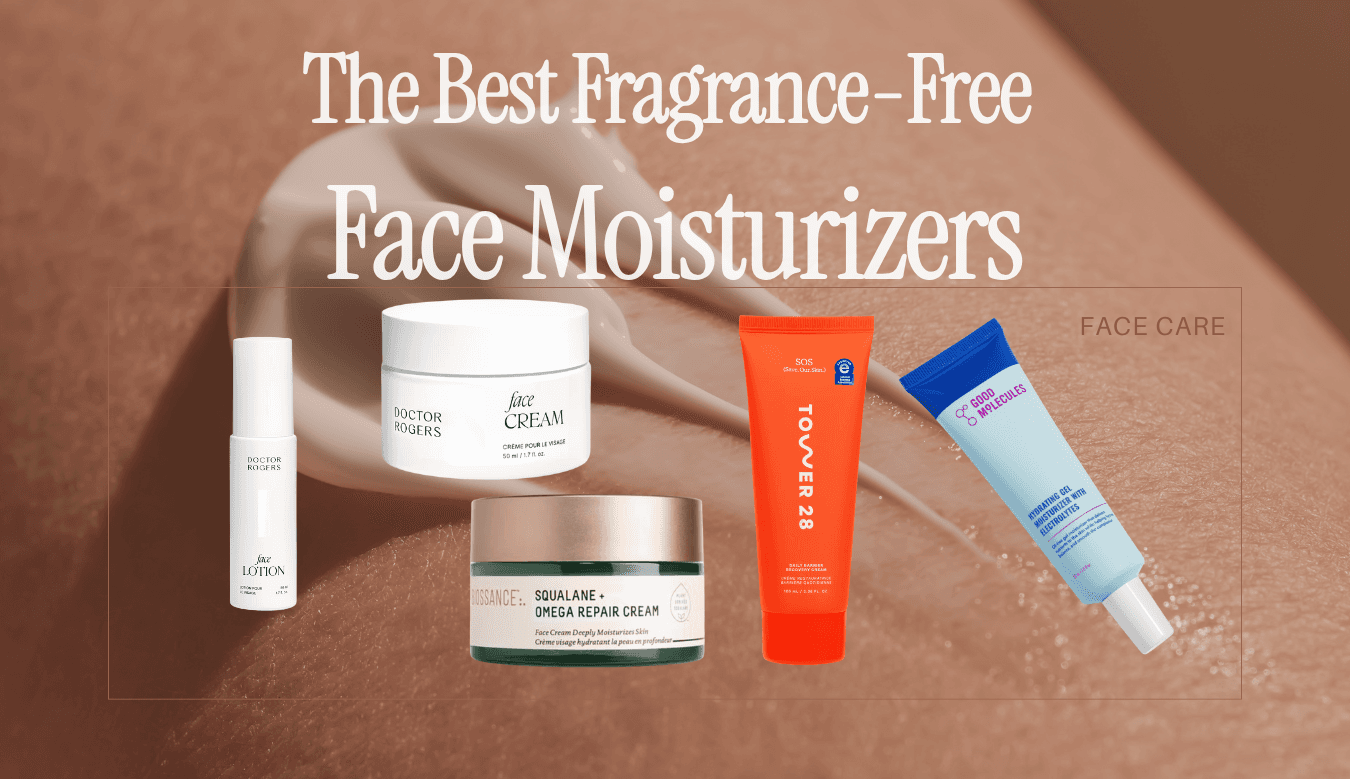
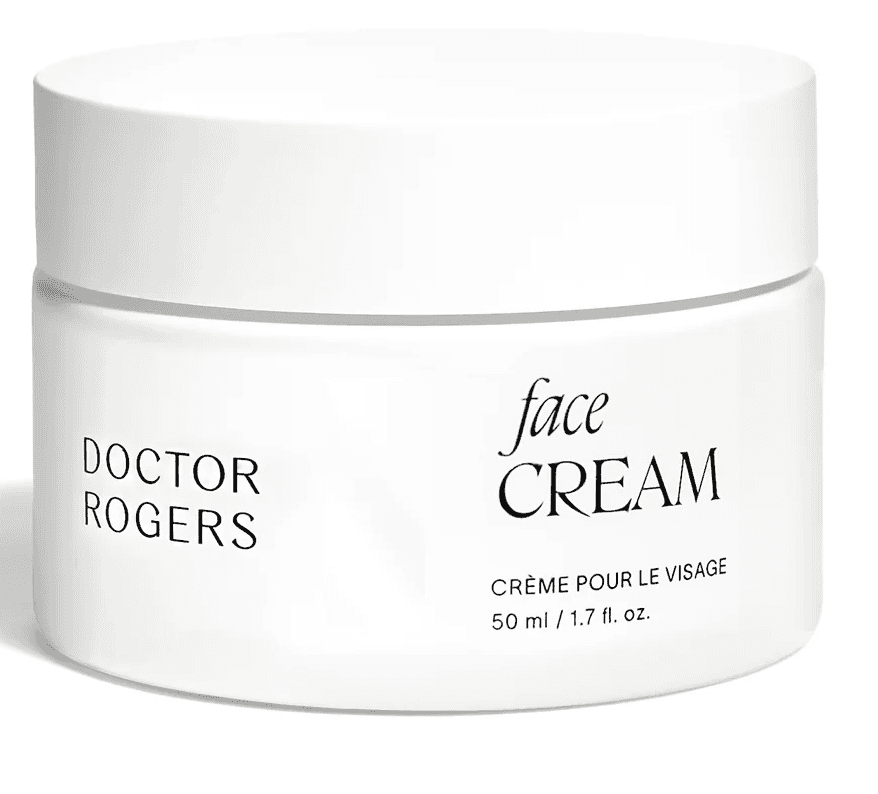
1. Dr. Rogers Restore Face Cream
Why we love it:
Doctor Rogers is a quiet overachiever: physician-developed, clean, and one of the few brands that delivers a minimalist formula without fragrance, essential oils, masking agents, or hidden botanicals. This cream stands out for the unusually sophisticated ingredients inside.
This formula uses a combination of interesting and rarer ingredients, especially in fragrance-free products: adenosine for fine-line softness, antioxidant centella asiatica for redness and repair and niacinamide for brightening and barrier strength, as well as buffering environmental stresses. Lastly, the gentle probiotic ferments (radish root + lactobacillus) support healing and hydration without irritation. These are high-impact, dermatologist-level actives placed inside a short, clean ingredient list.
While it’s on the pricier side, this is a high performing, irritation-free face cream on the market.
Texture & feel:
This is a rich, cushiony cream that spreads smoothly and sinks in without leaving a greasy film. The hydration comes from multiple ingredients - emollients and occlusives like squalane and shea butter give deep, lasting softness and help visibly soften fine lines.
Jojoba esters, an emollient, seal in moisture without the heaviness. The humectant glycerin pulls water into the skin for long-lasting hydration and Centella asiatica extract, niacinamide, adenosine, and allantoin help calm irritation, brighten the complexion, and support overall barrier repair.The finish is silky, with a medium weight that makes our skin feels deeply moisturized. For most people, this is likely more of a winter essential or night cream. If your skin leans oilier, this is likely best for evenings or strategically applied to drier areas.
What it promises:
A deeply hydrating, clinically backed moisturizer that supports healing, softens fine lines, boosts radiance, and reduces redness through barrier repair and antioxidant protection.
Stamp of approval:
Vegan, cruelty-free, pregnancy-friendly, and 100% fragrance/scent-free.
Full ingredient list (December 2025):
Aqua/Water/Eau, Squalane, Butyrospermum Parkii (Shea) Butter, Niacinamide, Glycerin, Cetearyl Olivate, Sorbitan Olivate, Cetearyl Alcohol, Centella Asiatica Extract, Behenyl Alcohol, Jojoba Esters, Leuconostoc/Radish Root Ferment Filtrate, Adenosine, Allantoin, Lactobacillus, Cocos Nucifera (Coconut) Fruit Extract, Xanthan Gum, Citric Acid
Where to get it: $78
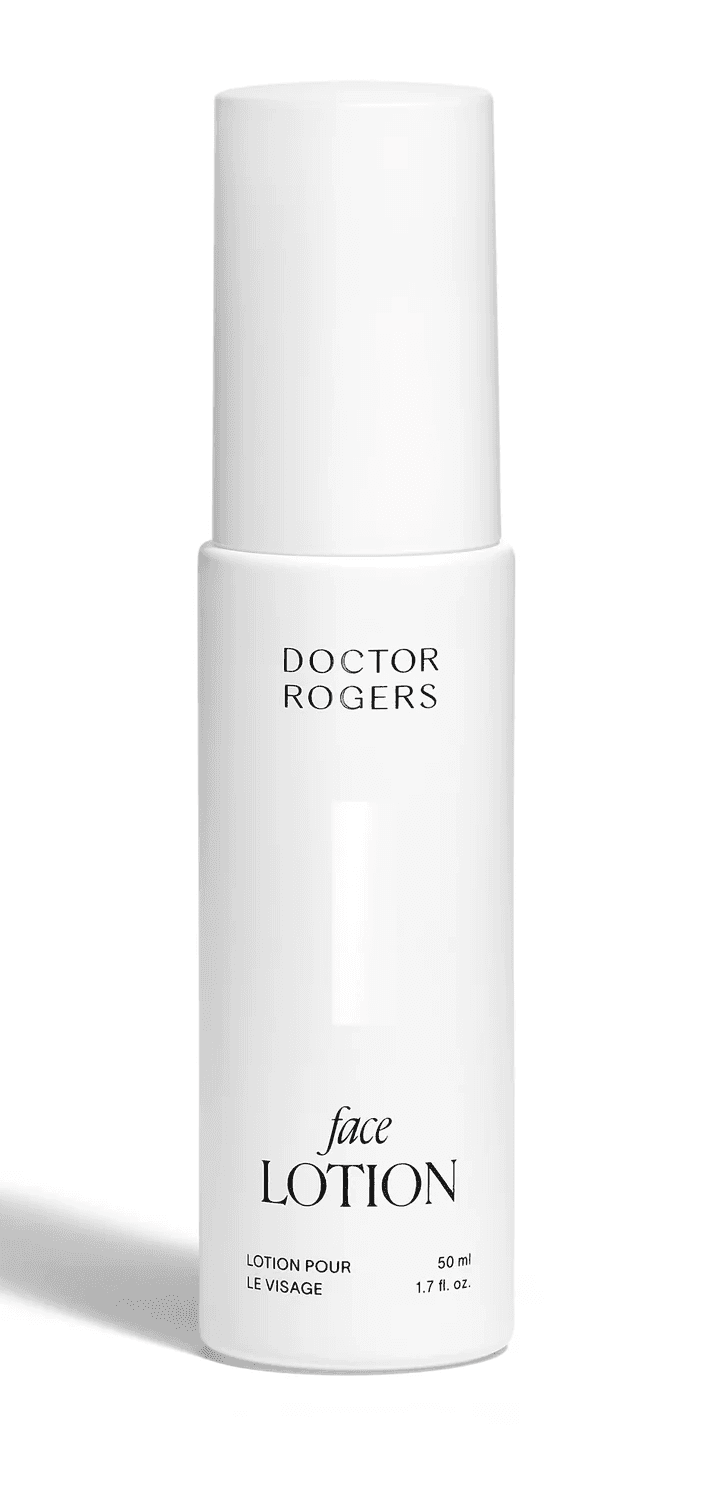
2. Dr. Rogers Restore Face Lotion
Why we love it:
If the Dr. Rogers Face Cream is your winter workhorse, the Face Lotion is the year-round staple. It’s minimal, fragrance-free, and free of masking botanicals or unnecessary fillers, but still packed with meaningful actives.
Inside is squalane for lightweight lipid support, niacinamide for brightening and barrier strength, adenosine for fine-line softness, and centella + probiotic ferments to calm irritation and support healing. It’s the same thoughtful, high-performing ingredient profile as the cream, just in a lighter, more universal formula.
Texture & feel:
This lotion is airy but nourishing, fluid on application, and quickly absorbed. It leaves our skin feeling soft, smooth, and hydrated without any residue.
The finish is fresh and leans more like a creamy gel, making this a good option for normal, combination, slightly dry, or even normal-to-oily skin when you want hydration without weight.
What it promises:
A daily face lotion that nourishes and hydrates while strengthening the skin barrier, reducing redness and irritation, smoothing texture and fine lines, and leaving skin resilient, soft, and more even over time. According to the brand, it restores essential fatty acids and antioxidants to the skin.
Stamp of approval:
Vegan, cruelty-free, pregnancy-friendly, and 100% fragrance/scent-free.
Full ingredient list (December 2025):
Aqua/Water/Eau, Squalane, Butyrospermum Parkii (Shea) Butter, Niacinamide, Glycerin, Cetearyl Olivate, Sorbitan Olivate, Cetearyl Alcohol, Centella Asiatica Extract, Jojoba Esters, Leuconostoc/Radish Root Ferment Filtrate, Adenosine, Allantoin, Lactobacillus, Cocos Nucifera (Coconut) Fruit Extract, Xanthan Gum, Citric Acid
Where to get it: $68
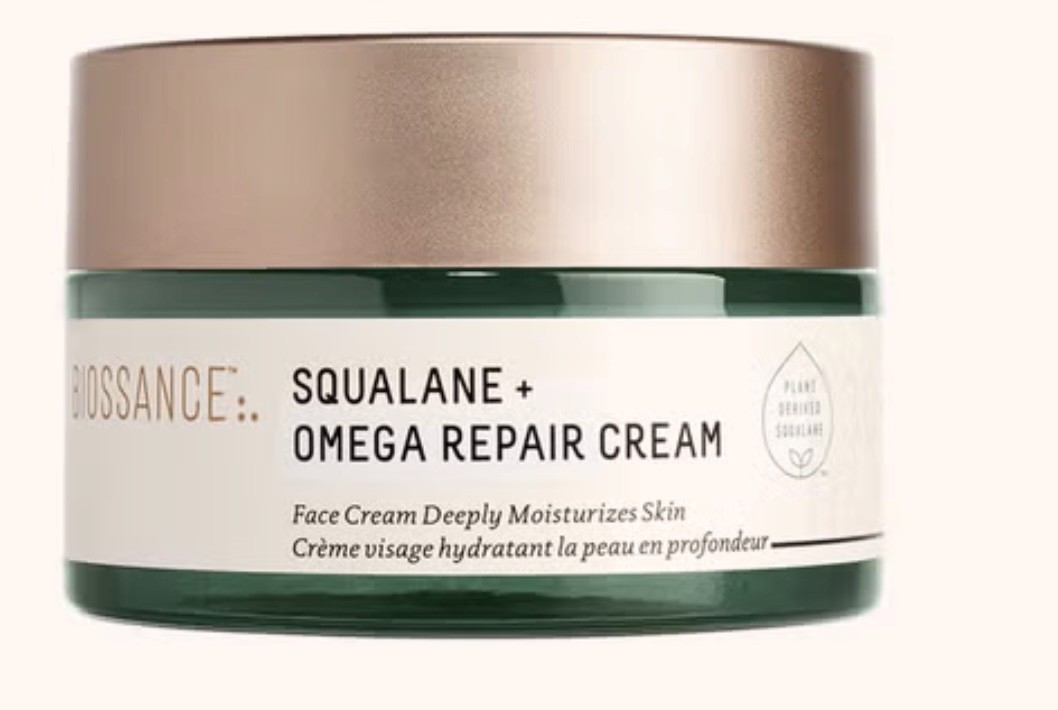
3. Biossance Squalane + Probiotic Gel Moisturizer
Why we love it:
This gel moisturizer is unique as it combines a lightweight, cooling texture with a thoughtfully constructed set of barrier-supportive and soothing ingredients. The primary ingredient is squalane, Biossance’s signature workhorse, delivering weightless emollience that has a silky instead of oily texture.
Another standout ingredient is the multi-strain probiotic ferment complex that can be helpful in reducing redness and support barrier balance. The bisabolol, which could be fragrant but is not in this product, and allantoin are quite soothing, and the sodium hyaluronate provides day-long hydration. While it goes on cool and smooth, the formula carries is packed with a diverse set of ingredients that hydrates and calms skin throughout the day.
texture & feel:
This sits firmly in the gel-cream world: velvety, cooling, and fast-absorbing. It applies like a breathable gel but settles into a soft, hydrated finish without any tackiness, shine, or tightness.
It’s a great option for normal, combination, or slightly dry skin, and especially well-suited for warmer weather or for anyone who’s texture-averse and prefers hydration without the heavier feel of traditional creams.
what it promises:
A daily gel moisturizer that helps visibly reduce redness, balance the microbiome, improve hydration, and support a healthier, more resilient skin barrier. The brand highlights a calmer, more even complexion with continued use.
stamp of approval
Vegan, cruelty-free, and safe for fragrance-sensitive and reactive skin.
full ingredient list (December 2025)
Water/Aqua/Eau, Glycerin, Squalane, Lepidium Sativum Sprout Extract, Sodium Acrylates Copolymer, Caprylic/Capric Triglyceride, Bisabolol*, Phospholipids, Hansenula/Kloeckera/Lactobacillus/Lactococcus/Leuconostoc/Pediococcus/Saccharomyces/Fig/Lemon Ferment, Sodium Hyaluronate, Chondrus Crispus Extract, Allantoin, Glycine Soja (Soybean) Sterols, Linoleic Acid, Capryloyl Glycerin/Sebacic Acid Copolymer, Diheptyl Succinate, Cellulose Gum, Lecithin, Sorbitan Oleate, Isoeicosane, Chitosan, Sodium Phytate, Caprylyl Glycol, Phenoxyethanol**, 1,2-Hexanediol, Citric Acid.
*Contains Bisabolol as long as the product doesn’t contain a scent. ** Contains phenoxyethanol, which TFF allows, but only if it appears toward the end of the list, and therefore in a low quantity.
Where to get it: $54
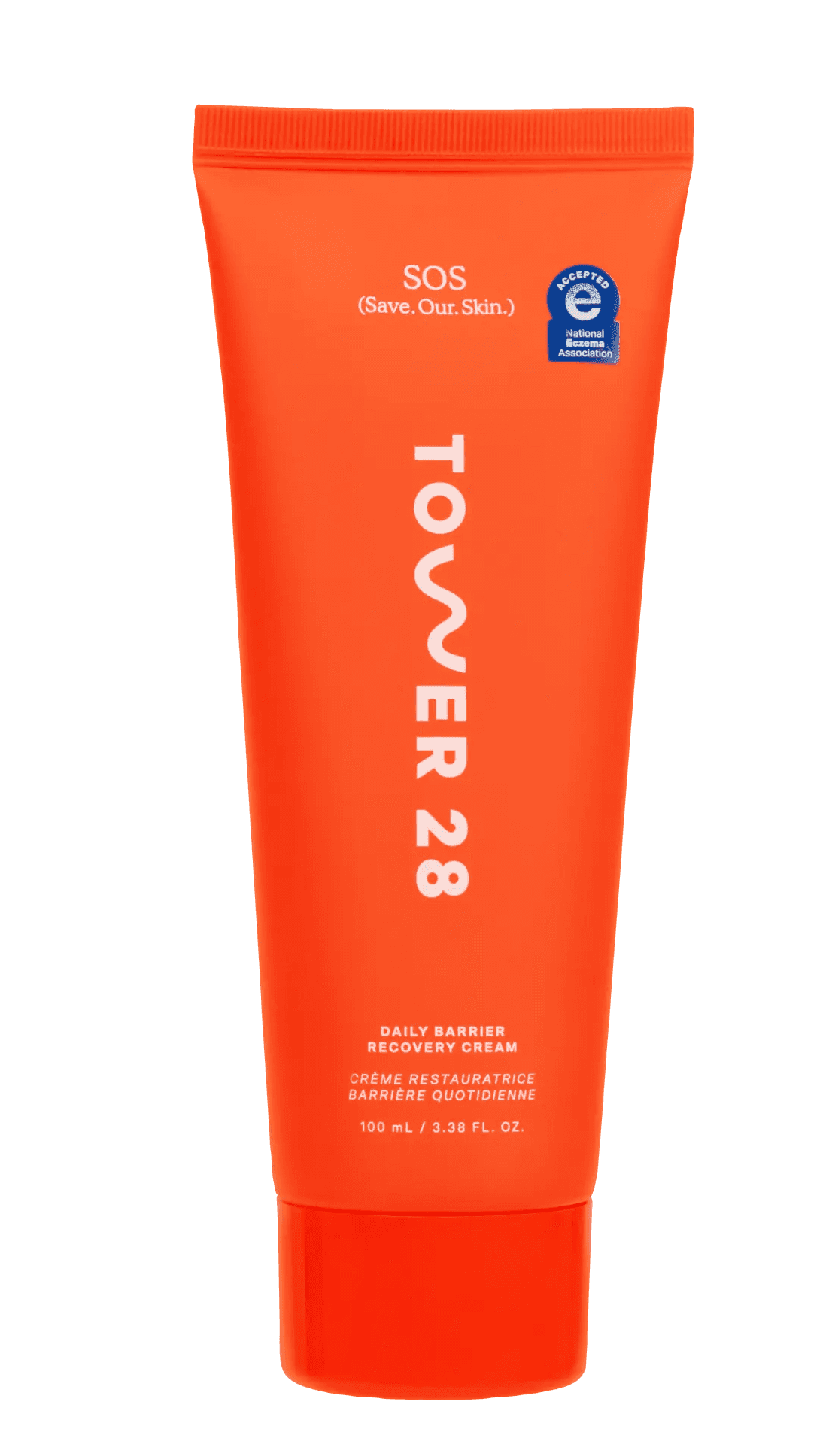
4. Tower 28 SOS Daily Barrier Recovery Cream
why we love it:
This is one of the more simpler, clean, fragrance-free moisturizers in the mix. It’s designed for maintenance hydration or skin in distress, focused on barrier-first repair rather than heavy on the actives, which can overwhelm highly sensitive or already-irritated skin.
The formula centers on ceramide NP, a key lipid found naturally in the skin barrier, plus a blend of multiple molecular weights of hyaluronic acid to boost hydration and water retention. To soothe and repair, Tower 28 includes allantoin for calming, behenyl alcohol + triglycerides for soft emollience, and glyceryl stearate + glyceryl dioleate to help strengthen the lipid matrix.
While some may find the formula “too simple,” we see the intentional minimalism as a strength. This is tool in your lotion armamentarium, one that is a dependable and predictable option for daily use or for those moments when your skin is having a full-on meltdown and nothing else is tolerable.
texture & feel:
This cream lands between a gel and a traditional moisturizer, leaning on the lighter side. It’s a soft, effective texture that absorbs cleanly and leaves skin hydrated and balanced, without heaviness, shine, or occlusive stickiness.
It’s well-suited for normal, dry, combination, or sensitized skin, and especially helpful for redness, flare-ups, over-exfoliation, or barrier-compromised days when you need something uncomplicated and soothing.
what it promises
A barrier-repairing moisturizer that calms visible irritation, replenishes essential lipids, improves hydration, and supports long-term barrier resilience. Designed to comfort stressed, reactive, or overworked skin while reinforcing moisture levels over time.
stamp of approval
Vegan, cruelty-free, and safe for fragrance-sensitive and reactive skin.
full ingredient list (December 2025)
Water/Aqua/Eau, Glycerin, Cetyl Ethylhexanoate, Caprylic/Capric Triglyceride, Propanediol, 1,2-Hexanediol, Glyceryl Stearate, Cetearyl Alcohol, Microcrystalline Cellulose, Sodium Polyacrylate Starch, Sclerotium Gum, Triolein, Potassium Cetyl Phosphate, Behenyl Alcohol, Allantoin, Ceramide NP, Glyceryl Dioleate, Cellulose Gum, Sodium Phytate, Pentylene Glycol, Sodium Acetylated Hyaluronate, Sodium Hyaluronate, Sodium Hyaluronate Crosspolymer, Hydrolyzed Sodium Hyaluronate, Ethylhexylglycerin.
Where to get it: $24
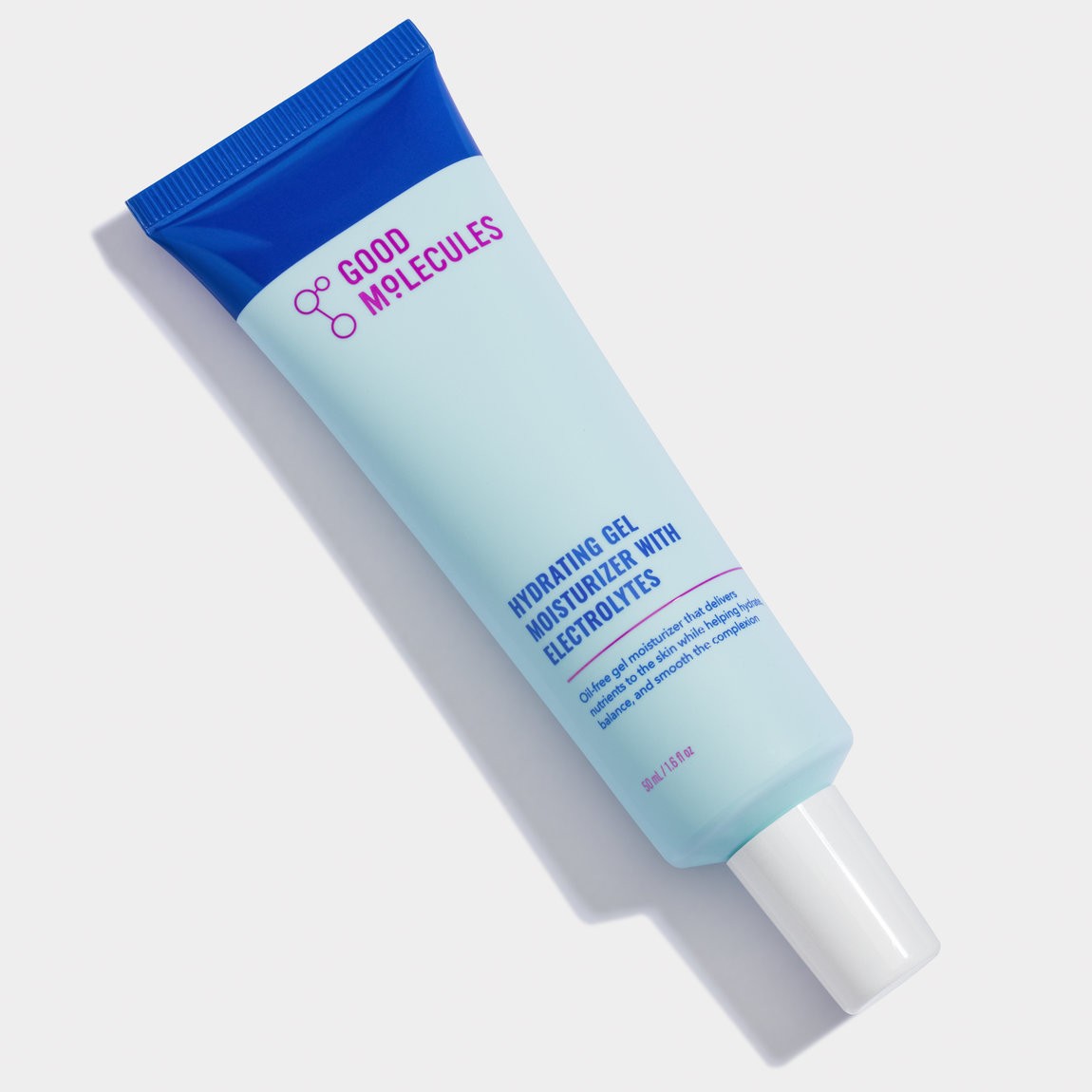
5. Good Molecules Hydrating Gel Moisturizer with Electrolytes
why we love it:
This is a super lightweight, budget-friendly gel moisturizer with ingredients focused on hydration, barrier support, and skin-soothing electrolytes. All in all, a rare combination for a ten dollar formula. The ingredients include a unique mix of humectants, ferments, and osmoprotective ingredients that help the skin hold onto water. Standouts are ectoin, good for environmental stress protection, betaine, inositol, and xylitol for moisture balance, and a Pseudoalteromonas ferment extract to support hydration and texture. The addition of magnesium, zinc, copper, and sea salt electrolytes, are helpful for regulating skin hydration and calming any redness, again impressive ingredients at this price point.
I also appreciate that the brand shares the ingredient percentages, ranking high on the transparency scale. Also, I’m blown away moisturiers can be over 90% water!
texture & feel:
This moisturizer feels unlike any other product. It is a true thin gel that is quick absorbing, weightless, but has some tackiness from the high glycerin content. It absorbs immediately, leaving skin lightly hydrated and refreshed without a film, stickiness, or shine.
The lightweight formula works for a range of skin types - normal, combination, oily, or dehydrated skin, and as a layering moisturizer for dry skin or for warm-weather use when heavier creams feel suffocating.
what it promises
A daily gel moisturizer that boosts hydration, restores moisture balance through electrolytes, supports the skin barrier, and leaves the complexion smoother, calmer, and more resilient.
stamp of approval
Vegan, and cruelty-free. Very low irritant load and minimal filler ingredients.
full ingredient list (December 2025)
Aqua/Water/Eau (90.2%), Propanediol (3.0%), Glycerin (1.5%), Chondrus Crispus Extract (0.60%), Carrageenan (0.55%), Sea Salt (0.50%), Pseudoalteromonas Ferment Extract (0.50%), Sodium Levulinate (0.48%), Xylitol (0.40%), Betaine (0.40%), Inositol (0.40%), Ectoin (0.30%), Sodium Benzoate (0.24%), 1,2-Hexanediol (0.20%), Xanthan Gum (0.15%), Dipotassium Glycyrrhizate (0.15%), Pentylene Glycol (0.10%), Hydroxyacetophenone (0.10%), Magnesium Aspartate (0.10%), Zinc Gluconate (0.10%), Citric Acid (0.05%), Arginine (100 ppm), Copper Gluconate (100 ppm), Sodium Hyaluronate (50 ppm).
Where to get it: $10
how to choose and layer your moisturizer
Your perfect moisturizer depends on both your skin type and your environment.
If you live in a dry climate: go for thicker creams with shea butter and ceramides (like Dr. Rogers or Tower 28).
If you’re oily or humid-climate based: choose gels like Biossance or Good Molecules.
If you’re repairing your barrier: stick to the cleanest products - Doctor Rogers Face Lotion or Tower28 SOS, with minimal ingredients.
Layering tip:
In the AM, apply your moisturizer after your hydrating serum while your skin is slightly damp. Seal everything in with your moisturizer as the final step before SPF in the morning.In the PM, bedtime is about repair and replenishment, as skin loses more water overnight. Cleanse (clean skin absorbs products more effectively), apply treatment serums (retinoids, acids, peptides), and then layer on the moisturizing hydration. If your skin is extra dry - apply a thin layer of gel or lotion first, then follow-up with a richer cream, this sandwich method prevents transepidermal water loss and traps in hydration over night.
& Then
Finding a fragrance-free moisturizer that is clean, provides the proper hydration and actually feels luxurious is no simple task. These five options prove you can nourish your skin without the synthetic scents, essential oils, or hidden irritants that cause chaos for sensitive faces.
Whether you need a rich cream, a cooling gel, or a feather-light lotion, these formulas keep the focus where it belongs: healthy, calm, balanced skin with fragrance-free.
Have a favorite? Or a story of being in a moisturizer desert? We’d love to hear it. Tag us @thefragrancefree or DM us with your go-to picks. And if you’re curious about what’s next in the world of fragrance-free beauty and wellness, follow along on Instagram and TikTok for real reviews, daily rituals, and insider insight into the cleanest products out there.

The best fragrance-free face moisturizers for healthy, glowing skin
Face, moisturizer, cream, lotion
Thursday, December 4, 2025

Moisturizers are personal. If you’re anything like me, the search for the right one has involved more research, late-night ingredient browsing, follow-up emails to brands on composition, and patch testing than I’d care to admit. And when I finally found “the one” … a fragrance-free, hydrating face cream that calmed and enriched my skin the brand quietly changed the formula, and my skin reacted immediately.
So, the goal was simple. Find a small set of moisturizers that work across skin types, and even for sensitive, reactive, or fragrance-intolerant skin.
This guide is here to help you choose the best option for your skin type, concerns, and budget. There are countless moisturizers on the market, but not all are formulated equally. Many products labeled “fragrance-free” or “clean” still contain hidden botanicals, citrus oils, lavender, or masking fragrance, causing products to have scent. These ingredients can be irritating for anyone, not just for people with sensitive skin. If you’re wondering how fragrance-free labeled products can have a scent, check out our deep dive on the topic and regulatory loopholes.
This list is intentionally small for now, and growing. Every product included is one that fits easily into any routine, whether you prefer a full double digit step regimen or the simplicity of just a moisturizer and an SPF. Each formula layers well, supports hydration, and keeps the barrier stable through weather shifts, travel, indoor heating, stress, and other triggers that send skin into a spiral.
Below, I break down the top fragrance-free moisturizers that actually work. No hidden irritants. No essential oils. No surprises. Just formulas focused on hydration, lipid balance, and barrier repair.
Products recommended and reviewed by The Fragrance Free are products we use, love, or have heavily researched. If you click an affiliate link and make a purchase, we may receive a small commission (at no extra cost to you) that we will use to explore more amazing fragrance-free products.
How do moisturizers actually work?
To understand how moisturizers work the way they do, it helps to know what they’re actually interacting with. The skin has three main layers: the epidermis, dermis, and subcutaneous tissue. Moisturizers primarily act on the top portion of the epidermis, called the stratum corneum.
The stratum corneum is your barrier and is made of flattened skin cells or corneocytes, surrounded by a matrix of lipids: ceramides, cholesterol, and fatty acids, arranged in that 3:1:1 ratio. This layer controls hydration, keeps irritants out, prevents transepidermal water loss , and determines whether skin feels calm or reactive.
Primary moisturizer ingredients and their functions:
Occlusives sit on top of the stratum corneum to slow water loss.
Emollients + lipids integrate into the lipid matrix, smoothing gaps and rebuilding structure.
Humectants pull water into the stratum corneum so the layer stays hydrated and flexible. Calming ingredients further buffer inflammation within the epidermis, reducing reactivity and supporting repair.
A great moisturizer is a multi-purpose tool built from the above three core ingredient groups: occlusives, emollients, and humectants. When they’re in the right balance, your skin stays nourished, protected, and stable… the things that matter most for barrier health. A well-formulated moisturizer works with your skin’s biology to keep hydration in place, reinforce the lipid structure, and calm or prevent reactivity that can show up as redness, tightness, or burning.
Dermatology research consistently shows that barrier-supportive moisturizers improve hydration and reduce irritation across all skin types.

Moisturizing ingredients & their function
1. Occlusives seal in hydration
Occlusives sit on the surface of the skin and create a breathable barrier that slows down transepidermal water loss. Simply put, occlusives prevent and slow the evaporation of you skin’s hydration. When water escapes too quickly, skin feels tight, papery, and dehydrated even if you’re using all the right serums.
Common occlusives on ingredient labels & functions:
Dimethicone – A silicone polymer made of repeating siloxane units that forms a flexible, breathable film on the skin’s surface. Its molecular structure reduces transepidermal water loss (TEWL) and enhances hydration without clogging pores. Examples on labels: Dimethicone, Cetearyl Dimethicone, Dimethicone Crosspolymer, PEG/PPG Dimethicone variations.
Caprylic/Capric Triglyceride – A medium-chain triglyceride produced by esterifying glycerol with caprylic and capric fatty acids from coconut. Its lightweight, oily texture creates an occlusive layer that’s spreadable. Examples on labels: Caprylic/Capric Triglyceride, C8-10 Triglycerides.
Hydrogenated Polyisobutene – A synthetic, high-molecular-weight hydrocarbon that mimics the structure of squalene but functions as an occlusive film former. Provides cushion and reduces water loss without feeling greasy. Examples on labels: Hydrogenated Polyisobutene
Isododecane – A branched hydrocarbon with a fast-evaporating top note that leaves behind a thin occlusive layer. Often used to enhance slip, prevent moisture evaporation, and stabilize textures. Examples on labels: Isododecane
Petrolatum – A highly effective occlusive that creates a protective seal to prevent moisture loss, especially when applied on damp skin. Examples on labels: Petrolatum, White Petrolatum.
Shea Butter – A dense, natural fat rich in stearic and oleic acids. When the buttery, tick occlusive melts at skin temperature, it forms an occlusive layer that supplies barrier-r supporting lipids. Examples on labels: Shea Butter, Butyrospermum Parkii Butter.
Squalane – A saturated, highly stable hydrocarbon derived from sugarcane or olives. Its a silky, non-greasy emollient-occlusive hybrid that mimics the skin’s natural oils and functions primarily to slow moisture loss while improving softness. Examples on labels: Squalane, Hydrogenated Squalene.
Synthetic Waxes – Hydrocarbon or ester waxes that melt at skin temperature, forming an occlusive barrier. Examples on labels: Microcrystalline Wax, Polyethylene Wax
2. Emollients + lipids feed the skin barrier
Your skin barrier is built from different lipids - ceramides, cholesterol, and fatty acids - arranged in a matrix that functions like a winter coat: the outer fabric blocks the wind, the insulation keeps warmth in, and the lining adds softness. Functionally, your barrier works in a similar way by protecting the skin, preventing moisture from escaping, and maintaining stability underneath.
When conditions work against you, like harsh and cold weather, indoor heating, or low humidity, that protective lipid structure can thin or flatten. Small gaps form, your skin looses water faster, causing skin to become dry, depleted, and irritated. This is why the skin naturally relies on a specific ratio of ceramides, cholesterol, and fatty acids (3:1:1) to stay strong, flexible, and intact.
Emollients help smooth and fill these gaps, while lipid-replenishing ingredients rebuild the structure itself. When these components are present in the right ratio, the barrier becomes more resilient, more flexible, and far better at holding hydration. Without them, even the most hydrating serum evaporates before it can make a real impact.
Common emollients + lipids on ingredient labels functions:
Ceramides – A family of sphingolipids that make up ~50% of the skin barrier by composition. They fill the spaces between corneocytes, and function to restore skin barrier structure and improve flexibility and smoothness. Examples on labels: Ceramide NP, Ceramide AP, Ceramide EOP.
Cholesterol – A key structural lipid comprising ~25% of the stratum corneum’s lipid matrix. It enhances barrier flexibility, improves repair, and optimizes lipid organization.. Examples on labels: Cholesterol.
Fatty Acids – Long-chain lipids that help rebuild the barrier, support ceramide synthesis, and improve smoothness and flexibility. Examples on labels: Linoleic Acid, Stearic Acid, Palmitic Acid.
Fatty Alcohols – Waxy, long-chain alcohols (not drying alcohols) that soften skin and support the lipid structure. They also stabilize emulsions and prevent moisture loss. Examples on labels: Cetearyl Alcohol, Behenyl Alcohol.
Plant Oils – Lipid-rich oils containing triglycerides, fatty acids, and phytosterols that replenish lost lipids and offer antioxidant support. Examples on labels: Jojoba Seed Oil, Sunflower Seed Oil, Meadowfoam Seed Oil.
Phytosterols – Plant-derived sterols structurally similar to cholesterol. They restore suppleness and support barrier repair by integrating into the lipid matrix. Examples on labels: Beta-Sitosterol
Triglycerides – Lipid molecules composed of glycerol and fatty acids. They provide softness, improve texture, and help restore the lipid layer. Examples on labels: Triglycerides, Caprylic/Capric Triglyceride
You might also see some formulas use broader barrier-support terms like ceramide complex, skin-identical lipids, omega fatty acids, or NMF (natural moisturizing factors). These are catch-all phrases that signal the presence of multiple lipid-replenishing ingredients working together.
3. Humectants + supportive ingredients calm and stabilize the skin
Humectants draw water into the outer layers of the skin, helping soften, hydrate, and reduce surface roughness. When combined with calming, anti-inflammatory ingredients (like allantoin, panthenol, or oat derivatives) and then sealed in with a moisturizer, the skin becomes more hydrated, less reactive, and far more resilient.
Common humectants you’ll see on labels
Aloe Vera – A plant-derived polysaccharide gel composed primarily of water, mucopolysaccharides, amino acids, and phytosterols. Its long-chain sugars (acemannan, glucomannans) bind water effectively at the skin’s surface, forming a lightweight hydrating film while providing mild soothing benefits. Examples on labels: Aloe Barbadensis Leaf Juice

Beta-Glucan – A long-chain polysaccharide derived from oats, yeast, or mushrooms. Its branching molecular structure allows it to act as both a humectant and film-former, binding water and reinforcing the skin’s surface defenses. It is also known for its immune-modulating and wound-supportive properties. Examples on labels: Beta-Glucan
Glycerin – A simple three-carbon sugar alcohol naturally present in the skin’s own natural moisturizing factor (NMF). It attracts and holds water within the stratum corneum, helping maintain hydration, elasticity, and smooth texture. Examples on labels: Glycerin
Hyaluronic Acid – A glycosaminoglycan (a water-binding polymer) found naturally in the extracellular matrix of the skin. Its can bind up to 1,000× its weight in water and helps increase hydration at multiple levels, improving plumpness and surface smoothness. Examples on labels: Hyaluronic Acid, Sodium Hyaluronate
Sodium PCA – A naturally occurring component of the skin’s NMF derived from amino acids. It has exceptional hygroscopic properties, meaning it pulls moisture from the environment and binds it to the skin. This helps maintain surface hydration and soften roughness. Examples on labels: Sodium PCA
Urea ( 2–5%) – At low concentrations (2–5%), it functions primarily as a humectant, increasing hydration and improving softness. It also mildly loosens dry, hardened skin, supporting gentle exfoliation without irritation. Examples on labels: Urea
Common calming + supportive ingredients
Allantoin – A naturally occurring compound found in comfrey or created synthetically. Its small molecule size allows it to penetrate the upper layers of the skin, where it helps soothe irritation, reduce redness, and support a healthier barrier repair cycle. Examples on labels: Allantoin
Bisabolol – A sesquiterpene alcohol most commonly derived from chamomile or created synthetically. It provides anti-inflammatory and skin-soothing properties, though it can carry a scent and thus may be a trigger for individuals sensitive to botanical extracts. Examples on labels: Bisabolol

Colloidal Oatmeal – A finely milled oat preparation containing β-glucans, avenanthramides, and lipids. These compounds help reduce inflammation, relieve dryness, and reinforce the skin’s moisture barrier. Examples on labels: Colloidal Oatmeal, Avena Sativa Kernel Extract
Madecassoside & Centella Asiatica derivatives – Bioactive triterpenoids extracted from Centella Asiatica (Gotu Kola). These compounds—including madecassoside, asiaticoside, and asiatic acid are highly soothing, regulate inflammation and support barrier repair; commonly found in products marketed for redness and sensitivity. Examples on labels: Madecassoside, Asiaticoside, Centella Asiatica Extract
Panthenol (Pro-Vitamin B5) – A water-soluble vitamin (B5 precursor) that converts to pantothenic acid in the skin. It supports hydration, reduces inflammation, improves elasticity, and enhances barrier recovery—making it a widely used soothing agent. Examples on labels: Panthenol, Pro-Vitamin B5
Why your moisturizer may not be working
If you feel like moisturizers never hydrate your skin enough, the issue may not be the moisturizer itself. Skin needs both hydration and moisturization to stay balanced. Hydration comes from water-binding ingredients like glycerin, hyaluronic acid, toners, mists, and hydrating serums. Moisturization comes from creams and lotions that seal that hydration in.
Most moisturizers are naturally occlusive. They trap water that is already in the skin. If there is no hydration underneath, your skin can remain dry even when you use a heavier cream. This is why pairing your moisturizer with a hydrating serum is essential. Serums have smaller molecules that can sink deeper into the skin, while moisturizers sit on top and lock everything in. Applying moisturizer without any hydration beneath it is essentially sealing in dryness.
A good moisturizer should do three things:
Seal hydration by creating a barrier that reduces water loss.
Feed the skin barrier with lipids, ceramides, and humectants that support the outer layer.
Calm inflammation by avoiding common triggers like fragrance, alcohols, and reactive preservatives.
Fragrance-free formulas excel here because they deliver barrier-supportive nutrients without the irritants that so often disrupt or inflame the skin.
Fragrance-free Moisturizers
Review Qualifications
Below, you will find five carefully evaluated moisturizers. Each one has been reviewed through The Fragrance Free’s proprietary tier system, which looks beyond the marketing label and analyzes the entire formulation. The system evaluates:
Whether the product is truly fragrance free, including any essential oils, botanical extracts, flavors, or masking agents.
The presence of scented or sensitizing ingredients, even when they are not listed as fragrance.
The placement of each ingredient within the full list, noting that higher placement indicates higher concentration.
The type and safety profile of synthetic ingredients, including PEGs, polymers, silicones, and stabilizers.
The preservative system, assessing whether it relies on low-irritation options or higher-risk preservatives.
Synthetic ingredients with potential health or environmental concerns.
Third-party standards, such as EWG ratings, the National Eczema Association Seal of Acceptance, and cruelty-free certifications like Leaping Bunny.
This approach allows us to identify formulas that are not only fragrance free on paper, but also low risk for irritation, barrier disruption, or hidden scent. It is a stricter and more transparent standard than typical “fragrance-free” or “clean” labels, and helps ensure that the products we recommend support calm, balanced, healthy skin.
1. Dr. Rogers Restore Face Cream

Why we love it:
Doctor Rogers is a quiet overachiever: physician-developed, clean, and one of the few brands that delivers a minimalist formula without fragrance, essential oils, masking agents, or hidden botanicals. This cream stands out for the unusually sophisticated ingredients inside.
This formula uses a combination of interesting and rarer ingredients, especially in fragrance-free products: adenosine for fine-line softness, antioxidant centella asiatica for redness and repair and niacinamide for brightening and barrier strength, as well as buffering environmental stresses. Lastly, the gentle probiotic ferments (radish root + lactobacillus) support healing and hydration without irritation. These are high-impact, dermatologist-level actives placed inside a short, clean ingredient list.
While it’s on the pricier side, this is a high performing, irritation-free face cream on the market.
Texture & feel:
This is a rich, cushiony cream that spreads smoothly and sinks in without leaving a greasy film. The hydration comes from multiple ingredients - emollients and occlusives like squalane and shea butter give deep, lasting softness and help visibly soften fine lines.
Jojoba esters, an emollient, seal in moisture without the heaviness. The humectant glycerin pulls water into the skin for long-lasting hydration and Centella asiatica extract, niacinamide, adenosine, and allantoin help calm irritation, brighten the complexion, and support overall barrier repair.The finish is silky, with a medium weight that makes our skin feels deeply moisturized. For most people, this is likely more of a winter essential or night cream. If your skin leans oilier, this is likely best for evenings or strategically applied to drier areas.
What it promises:
A deeply hydrating, clinically backed moisturizer that supports healing, softens fine lines, boosts radiance, and reduces redness through barrier repair and antioxidant protection.
Stamp of approval:
Vegan, cruelty-free, pregnancy-friendly, and 100% fragrance/scent-free.
Full ingredient list (December 2025):
Aqua/Water/Eau, Squalane, Butyrospermum Parkii (Shea) Butter, Niacinamide, Glycerin, Cetearyl Olivate, Sorbitan Olivate, Cetearyl Alcohol, Centella Asiatica Extract, Behenyl Alcohol, Jojoba Esters, Leuconostoc/Radish Root Ferment Filtrate, Adenosine, Allantoin, Lactobacillus, Cocos Nucifera (Coconut) Fruit Extract, Xanthan Gum, Citric Acid
Where to get it: $78
2. Dr. Rogers Restore Face Lotion

Why we love it:
If the Dr. Rogers Face Cream is your winter workhorse, the Face Lotion is the year-round staple. It’s minimal, fragrance-free, and free of masking botanicals or unnecessary fillers, but still packed with meaningful actives.
Inside is squalane for lightweight lipid support, niacinamide for brightening and barrier strength, adenosine for fine-line softness, and centella + probiotic ferments to calm irritation and support healing. It’s the same thoughtful, high-performing ingredient profile as the cream, just in a lighter, more universal formula.
Texture & feel:
This lotion is airy but nourishing, fluid on application, and quickly absorbed. It leaves our skin feeling soft, smooth, and hydrated without any residue.
The finish is fresh and leans more like a creamy gel, making this a good option for normal, combination, slightly dry, or even normal-to-oily skin when you want hydration without weight.
What it promises:
A daily face lotion that nourishes and hydrates while strengthening the skin barrier, reducing redness and irritation, smoothing texture and fine lines, and leaving skin resilient, soft, and more even over time. According to the brand, it restores essential fatty acids and antioxidants to the skin.
Stamp of approval:
Vegan, cruelty-free, pregnancy-friendly, and 100% fragrance/scent-free.
Full ingredient list (December 2025):
Aqua/Water/Eau, Squalane, Butyrospermum Parkii (Shea) Butter, Niacinamide, Glycerin, Cetearyl Olivate, Sorbitan Olivate, Cetearyl Alcohol, Centella Asiatica Extract, Jojoba Esters, Leuconostoc/Radish Root Ferment Filtrate, Adenosine, Allantoin, Lactobacillus, Cocos Nucifera (Coconut) Fruit Extract, Xanthan Gum, Citric Acid
Where to get it: $68
3. Biossance Squalane + Probiotic Gel Moisturizer

Why we love it:
This gel moisturizer is unique as it combines a lightweight, cooling texture with a thoughtfully constructed set of barrier-supportive and soothing ingredients. The primary ingredient is squalane, Biossance’s signature workhorse, delivering weightless emollience that has a silky instead of oily texture.
Another standout ingredient is the multi-strain probiotic ferment complex that can be helpful in reducing redness and support barrier balance. The bisabolol, which could be fragrant but is not in this product, and allantoin are quite soothing, and the sodium hyaluronate provides day-long hydration. While it goes on cool and smooth, the formula carries is packed with a diverse set of ingredients that hydrates and calms skin throughout the day.
texture & feel:
This sits firmly in the gel-cream world: velvety, cooling, and fast-absorbing. It applies like a breathable gel but settles into a soft, hydrated finish without any tackiness, shine, or tightness.
It’s a great option for normal, combination, or slightly dry skin, and especially well-suited for warmer weather or for anyone who’s texture-averse and prefers hydration without the heavier feel of traditional creams.
what it promises:
A daily gel moisturizer that helps visibly reduce redness, balance the microbiome, improve hydration, and support a healthier, more resilient skin barrier. The brand highlights a calmer, more even complexion with continued use.
stamp of approval
Vegan, cruelty-free, and safe for fragrance-sensitive and reactive skin.
full ingredient list (December 2025)
Water/Aqua/Eau, Glycerin, Squalane, Lepidium Sativum Sprout Extract, Sodium Acrylates Copolymer, Caprylic/Capric Triglyceride, Bisabolol*, Phospholipids, Hansenula/Kloeckera/Lactobacillus/Lactococcus/Leuconostoc/Pediococcus/Saccharomyces/Fig/Lemon Ferment, Sodium Hyaluronate, Chondrus Crispus Extract, Allantoin, Glycine Soja (Soybean) Sterols, Linoleic Acid, Capryloyl Glycerin/Sebacic Acid Copolymer, Diheptyl Succinate, Cellulose Gum, Lecithin, Sorbitan Oleate, Isoeicosane, Chitosan, Sodium Phytate, Caprylyl Glycol, Phenoxyethanol**, 1,2-Hexanediol, Citric Acid.
*Contains Bisabolol as long as the product doesn’t contain a scent. ** Contains phenoxyethanol, which TFF allows, but only if it appears toward the end of the list, and therefore in a low quantity.
Where to get it: $54
4. Tower 28 SOS Daily Barrier Recovery Cream

why we love it:
This is one of the more simpler, clean, fragrance-free moisturizers in the mix. It’s designed for maintenance hydration or skin in distress, focused on barrier-first repair rather than heavy on the actives, which can overwhelm highly sensitive or already-irritated skin.
The formula centers on ceramide NP, a key lipid found naturally in the skin barrier, plus a blend of multiple molecular weights of hyaluronic acid to boost hydration and water retention. To soothe and repair, Tower 28 includes allantoin for calming, behenyl alcohol + triglycerides for soft emollience, and glyceryl stearate + glyceryl dioleate to help strengthen the lipid matrix.
While some may find the formula “too simple,” we see the intentional minimalism as a strength. This is tool in your lotion armamentarium, one that is a dependable and predictable option for daily use or for those moments when your skin is having a full-on meltdown and nothing else is tolerable.
texture & feel:
This cream lands between a gel and a traditional moisturizer, leaning on the lighter side. It’s a soft, effective texture that absorbs cleanly and leaves skin hydrated and balanced, without heaviness, shine, or occlusive stickiness.
It’s well-suited for normal, dry, combination, or sensitized skin, and especially helpful for redness, flare-ups, over-exfoliation, or barrier-compromised days when you need something uncomplicated and soothing.
what it promises
A barrier-repairing moisturizer that calms visible irritation, replenishes essential lipids, improves hydration, and supports long-term barrier resilience. Designed to comfort stressed, reactive, or overworked skin while reinforcing moisture levels over time.
stamp of approval
Vegan, cruelty-free, and safe for fragrance-sensitive and reactive skin.
full ingredient list (December 2025)
Water/Aqua/Eau, Glycerin, Cetyl Ethylhexanoate, Caprylic/Capric Triglyceride, Propanediol, 1,2-Hexanediol, Glyceryl Stearate, Cetearyl Alcohol, Microcrystalline Cellulose, Sodium Polyacrylate Starch, Sclerotium Gum, Triolein, Potassium Cetyl Phosphate, Behenyl Alcohol, Allantoin, Ceramide NP, Glyceryl Dioleate, Cellulose Gum, Sodium Phytate, Pentylene Glycol, Sodium Acetylated Hyaluronate, Sodium Hyaluronate, Sodium Hyaluronate Crosspolymer, Hydrolyzed Sodium Hyaluronate, Ethylhexylglycerin.
Where to get it: $24
5. Good Molecules Hydrating Gel Moisturizer with Electrolytes

why we love it:
This is a super lightweight, budget-friendly gel moisturizer with ingredients focused on hydration, barrier support, and skin-soothing electrolytes. All in all, a rare combination for a ten dollar formula. The ingredients include a unique mix of humectants, ferments, and osmoprotective ingredients that help the skin hold onto water. Standouts are ectoin, good for environmental stress protection, betaine, inositol, and xylitol for moisture balance, and a Pseudoalteromonas ferment extract to support hydration and texture. The addition of magnesium, zinc, copper, and sea salt electrolytes, are helpful for regulating skin hydration and calming any redness, again impressive ingredients at this price point.
I also appreciate that the brand shares the ingredient percentages, ranking high on the transparency scale. Also, I’m blown away moisturiers can be over 90% water!
texture & feel:
This moisturizer feels unlike any other product. It is a true thin gel that is quick absorbing, weightless, but has some tackiness from the high glycerin content. It absorbs immediately, leaving skin lightly hydrated and refreshed without a film, stickiness, or shine.
The lightweight formula works for a range of skin types - normal, combination, oily, or dehydrated skin, and as a layering moisturizer for dry skin or for warm-weather use when heavier creams feel suffocating.
what it promises
A daily gel moisturizer that boosts hydration, restores moisture balance through electrolytes, supports the skin barrier, and leaves the complexion smoother, calmer, and more resilient.
stamp of approval
Vegan, and cruelty-free. Very low irritant load and minimal filler ingredients.
full ingredient list (December 2025)
Aqua/Water/Eau (90.2%), Propanediol (3.0%), Glycerin (1.5%), Chondrus Crispus Extract (0.60%), Carrageenan (0.55%), Sea Salt (0.50%), Pseudoalteromonas Ferment Extract (0.50%), Sodium Levulinate (0.48%), Xylitol (0.40%), Betaine (0.40%), Inositol (0.40%), Ectoin (0.30%), Sodium Benzoate (0.24%), 1,2-Hexanediol (0.20%), Xanthan Gum (0.15%), Dipotassium Glycyrrhizate (0.15%), Pentylene Glycol (0.10%), Hydroxyacetophenone (0.10%), Magnesium Aspartate (0.10%), Zinc Gluconate (0.10%), Citric Acid (0.05%), Arginine (100 ppm), Copper Gluconate (100 ppm), Sodium Hyaluronate (50 ppm).
Where to get it: $10
how to choose and layer your moisturizer
Your perfect moisturizer depends on both your skin type and your environment.
If you live in a dry climate: go for thicker creams with shea butter and ceramides (like Dr. Rogers or Tower 28).
If you’re oily or humid-climate based: choose gels like Biossance or Good Molecules.
If you’re repairing your barrier: stick to the cleanest products - Doctor Rogers Face Lotion or Tower28 SOS, with minimal ingredients.
Layering tip:
In the AM, apply your moisturizer after your hydrating serum while your skin is slightly damp. Seal everything in with your moisturizer as the final step before SPF in the morning.In the PM, bedtime is about repair and replenishment, as skin loses more water overnight. Cleanse (clean skin absorbs products more effectively), apply treatment serums (retinoids, acids, peptides), and then layer on the moisturizing hydration. If your skin is extra dry - apply a thin layer of gel or lotion first, then follow-up with a richer cream, this sandwich method prevents transepidermal water loss and traps in hydration over night.
& Then
Finding a fragrance-free moisturizer that is clean, provides the proper hydration and actually feels luxurious is no simple task. These five options prove you can nourish your skin without the synthetic scents, essential oils, or hidden irritants that cause chaos for sensitive faces.
Whether you need a rich cream, a cooling gel, or a feather-light lotion, these formulas keep the focus where it belongs: healthy, calm, balanced skin with fragrance-free.
Have a favorite? Or a story of being in a moisturizer desert? We’d love to hear it. Tag us @thefragrancefree or DM us with your go-to picks. And if you’re curious about what’s next in the world of fragrance-free beauty and wellness, follow along on Instagram and TikTok for real reviews, daily rituals, and insider insight into the cleanest products out there.

The best fragrance-free face moisturizers for healthy, glowing skin
Face, moisturizer, cream, lotion
Thursday, December 4, 2025

Moisturizers are personal. If you’re anything like me, the search for the right one has involved more research, late-night ingredient browsing, follow-up emails to brands on composition, and patch testing than I’d care to admit. And when I finally found “the one” … a fragrance-free, hydrating face cream that calmed and enriched my skin the brand quietly changed the formula, and my skin reacted immediately.
So, the goal was simple. Find a small set of moisturizers that work across skin types, and even for sensitive, reactive, or fragrance-intolerant skin.
This guide is here to help you choose the best option for your skin type, concerns, and budget. There are countless moisturizers on the market, but not all are formulated equally. Many products labeled “fragrance-free” or “clean” still contain hidden botanicals, citrus oils, lavender, or masking fragrance, causing products to have scent. These ingredients can be irritating for anyone, not just for people with sensitive skin. If you’re wondering how fragrance-free labeled products can have a scent, check out our deep dive on the topic and regulatory loopholes.
This list is intentionally small for now, and growing. Every product included is one that fits easily into any routine, whether you prefer a full double digit step regimen or the simplicity of just a moisturizer and an SPF. Each formula layers well, supports hydration, and keeps the barrier stable through weather shifts, travel, indoor heating, stress, and other triggers that send skin into a spiral.
Below, I break down the top fragrance-free moisturizers that actually work. No hidden irritants. No essential oils. No surprises. Just formulas focused on hydration, lipid balance, and barrier repair.
Products recommended and reviewed by The Fragrance Free are products we use, love, or have heavily researched. If you click an affiliate link and make a purchase, we may receive a small commission (at no extra cost to you) that we will use to explore more amazing fragrance-free products.
How do moisturizers actually work?
To understand how moisturizers work the way they do, it helps to know what they’re actually interacting with. The skin has three main layers: the epidermis, dermis, and subcutaneous tissue. Moisturizers primarily act on the top portion of the epidermis, called the stratum corneum.
The stratum corneum is your barrier and is made of flattened skin cells or corneocytes, surrounded by a matrix of lipids: ceramides, cholesterol, and fatty acids, arranged in that 3:1:1 ratio. This layer controls hydration, keeps irritants out, prevents transepidermal water loss , and determines whether skin feels calm or reactive.
Primary moisturizer ingredients and their functions:
Occlusives sit on top of the stratum corneum to slow water loss.
Emollients + lipids integrate into the lipid matrix, smoothing gaps and rebuilding structure.
Humectants pull water into the stratum corneum so the layer stays hydrated and flexible. Calming ingredients further buffer inflammation within the epidermis, reducing reactivity and supporting repair.
A great moisturizer is a multi-purpose tool built from the above three core ingredient groups: occlusives, emollients, and humectants. When they’re in the right balance, your skin stays nourished, protected, and stable… the things that matter most for barrier health. A well-formulated moisturizer works with your skin’s biology to keep hydration in place, reinforce the lipid structure, and calm or prevent reactivity that can show up as redness, tightness, or burning.
Dermatology research consistently shows that barrier-supportive moisturizers improve hydration and reduce irritation across all skin types.

Moisturizing ingredients & their function
1. Occlusives seal in hydration
Occlusives sit on the surface of the skin and create a breathable barrier that slows down transepidermal water loss. Simply put, occlusives prevent and slow the evaporation of you skin’s hydration. When water escapes too quickly, skin feels tight, papery, and dehydrated even if you’re using all the right serums.
Common occlusives on ingredient labels & functions:
Dimethicone – A silicone polymer made of repeating siloxane units that forms a flexible, breathable film on the skin’s surface. Its molecular structure reduces transepidermal water loss (TEWL) and enhances hydration without clogging pores. Examples on labels: Dimethicone, Cetearyl Dimethicone, Dimethicone Crosspolymer, PEG/PPG Dimethicone variations.
Caprylic/Capric Triglyceride – A medium-chain triglyceride produced by esterifying glycerol with caprylic and capric fatty acids from coconut. Its lightweight, oily texture creates an occlusive layer that’s spreadable. Examples on labels: Caprylic/Capric Triglyceride, C8-10 Triglycerides.
Hydrogenated Polyisobutene – A synthetic, high-molecular-weight hydrocarbon that mimics the structure of squalene but functions as an occlusive film former. Provides cushion and reduces water loss without feeling greasy. Examples on labels: Hydrogenated Polyisobutene
Isododecane – A branched hydrocarbon with a fast-evaporating top note that leaves behind a thin occlusive layer. Often used to enhance slip, prevent moisture evaporation, and stabilize textures. Examples on labels: Isododecane
Petrolatum – A highly effective occlusive that creates a protective seal to prevent moisture loss, especially when applied on damp skin. Examples on labels: Petrolatum, White Petrolatum.
Shea Butter – A dense, natural fat rich in stearic and oleic acids. When the buttery, tick occlusive melts at skin temperature, it forms an occlusive layer that supplies barrier-r supporting lipids. Examples on labels: Shea Butter, Butyrospermum Parkii Butter.
Squalane – A saturated, highly stable hydrocarbon derived from sugarcane or olives. Its a silky, non-greasy emollient-occlusive hybrid that mimics the skin’s natural oils and functions primarily to slow moisture loss while improving softness. Examples on labels: Squalane, Hydrogenated Squalene.
Synthetic Waxes – Hydrocarbon or ester waxes that melt at skin temperature, forming an occlusive barrier. Examples on labels: Microcrystalline Wax, Polyethylene Wax
2. Emollients + lipids feed the skin barrier
Your skin barrier is built from different lipids - ceramides, cholesterol, and fatty acids - arranged in a matrix that functions like a winter coat: the outer fabric blocks the wind, the insulation keeps warmth in, and the lining adds softness. Functionally, your barrier works in a similar way by protecting the skin, preventing moisture from escaping, and maintaining stability underneath.
When conditions work against you, like harsh and cold weather, indoor heating, or low humidity, that protective lipid structure can thin or flatten. Small gaps form, your skin looses water faster, causing skin to become dry, depleted, and irritated. This is why the skin naturally relies on a specific ratio of ceramides, cholesterol, and fatty acids (3:1:1) to stay strong, flexible, and intact.
Emollients help smooth and fill these gaps, while lipid-replenishing ingredients rebuild the structure itself. When these components are present in the right ratio, the barrier becomes more resilient, more flexible, and far better at holding hydration. Without them, even the most hydrating serum evaporates before it can make a real impact.
Common emollients + lipids on ingredient labels functions:
Ceramides – A family of sphingolipids that make up ~50% of the skin barrier by composition. They fill the spaces between corneocytes, and function to restore skin barrier structure and improve flexibility and smoothness. Examples on labels: Ceramide NP, Ceramide AP, Ceramide EOP.
Cholesterol – A key structural lipid comprising ~25% of the stratum corneum’s lipid matrix. It enhances barrier flexibility, improves repair, and optimizes lipid organization.. Examples on labels: Cholesterol.
Fatty Acids – Long-chain lipids that help rebuild the barrier, support ceramide synthesis, and improve smoothness and flexibility. Examples on labels: Linoleic Acid, Stearic Acid, Palmitic Acid.
Fatty Alcohols – Waxy, long-chain alcohols (not drying alcohols) that soften skin and support the lipid structure. They also stabilize emulsions and prevent moisture loss. Examples on labels: Cetearyl Alcohol, Behenyl Alcohol.
Plant Oils – Lipid-rich oils containing triglycerides, fatty acids, and phytosterols that replenish lost lipids and offer antioxidant support. Examples on labels: Jojoba Seed Oil, Sunflower Seed Oil, Meadowfoam Seed Oil.
Phytosterols – Plant-derived sterols structurally similar to cholesterol. They restore suppleness and support barrier repair by integrating into the lipid matrix. Examples on labels: Beta-Sitosterol
Triglycerides – Lipid molecules composed of glycerol and fatty acids. They provide softness, improve texture, and help restore the lipid layer. Examples on labels: Triglycerides, Caprylic/Capric Triglyceride
You might also see some formulas use broader barrier-support terms like ceramide complex, skin-identical lipids, omega fatty acids, or NMF (natural moisturizing factors). These are catch-all phrases that signal the presence of multiple lipid-replenishing ingredients working together.
3. Humectants + supportive ingredients calm and stabilize the skin
Humectants draw water into the outer layers of the skin, helping soften, hydrate, and reduce surface roughness. When combined with calming, anti-inflammatory ingredients (like allantoin, panthenol, or oat derivatives) and then sealed in with a moisturizer, the skin becomes more hydrated, less reactive, and far more resilient.
Common humectants you’ll see on labels
Aloe Vera – A plant-derived polysaccharide gel composed primarily of water, mucopolysaccharides, amino acids, and phytosterols. Its long-chain sugars (acemannan, glucomannans) bind water effectively at the skin’s surface, forming a lightweight hydrating film while providing mild soothing benefits. Examples on labels: Aloe Barbadensis Leaf Juice

Beta-Glucan – A long-chain polysaccharide derived from oats, yeast, or mushrooms. Its branching molecular structure allows it to act as both a humectant and film-former, binding water and reinforcing the skin’s surface defenses. It is also known for its immune-modulating and wound-supportive properties. Examples on labels: Beta-Glucan
Glycerin – A simple three-carbon sugar alcohol naturally present in the skin’s own natural moisturizing factor (NMF). It attracts and holds water within the stratum corneum, helping maintain hydration, elasticity, and smooth texture. Examples on labels: Glycerin
Hyaluronic Acid – A glycosaminoglycan (a water-binding polymer) found naturally in the extracellular matrix of the skin. Its can bind up to 1,000× its weight in water and helps increase hydration at multiple levels, improving plumpness and surface smoothness. Examples on labels: Hyaluronic Acid, Sodium Hyaluronate
Sodium PCA – A naturally occurring component of the skin’s NMF derived from amino acids. It has exceptional hygroscopic properties, meaning it pulls moisture from the environment and binds it to the skin. This helps maintain surface hydration and soften roughness. Examples on labels: Sodium PCA
Urea ( 2–5%) – At low concentrations (2–5%), it functions primarily as a humectant, increasing hydration and improving softness. It also mildly loosens dry, hardened skin, supporting gentle exfoliation without irritation. Examples on labels: Urea
Common calming + supportive ingredients
Allantoin – A naturally occurring compound found in comfrey or created synthetically. Its small molecule size allows it to penetrate the upper layers of the skin, where it helps soothe irritation, reduce redness, and support a healthier barrier repair cycle. Examples on labels: Allantoin
Bisabolol – A sesquiterpene alcohol most commonly derived from chamomile or created synthetically. It provides anti-inflammatory and skin-soothing properties, though it can carry a scent and thus may be a trigger for individuals sensitive to botanical extracts. Examples on labels: Bisabolol

Colloidal Oatmeal – A finely milled oat preparation containing β-glucans, avenanthramides, and lipids. These compounds help reduce inflammation, relieve dryness, and reinforce the skin’s moisture barrier. Examples on labels: Colloidal Oatmeal, Avena Sativa Kernel Extract
Madecassoside & Centella Asiatica derivatives – Bioactive triterpenoids extracted from Centella Asiatica (Gotu Kola). These compounds—including madecassoside, asiaticoside, and asiatic acid are highly soothing, regulate inflammation and support barrier repair; commonly found in products marketed for redness and sensitivity. Examples on labels: Madecassoside, Asiaticoside, Centella Asiatica Extract
Panthenol (Pro-Vitamin B5) – A water-soluble vitamin (B5 precursor) that converts to pantothenic acid in the skin. It supports hydration, reduces inflammation, improves elasticity, and enhances barrier recovery—making it a widely used soothing agent. Examples on labels: Panthenol, Pro-Vitamin B5
Why your moisturizer may not be working
If you feel like moisturizers never hydrate your skin enough, the issue may not be the moisturizer itself. Skin needs both hydration and moisturization to stay balanced. Hydration comes from water-binding ingredients like glycerin, hyaluronic acid, toners, mists, and hydrating serums. Moisturization comes from creams and lotions that seal that hydration in.
Most moisturizers are naturally occlusive. They trap water that is already in the skin. If there is no hydration underneath, your skin can remain dry even when you use a heavier cream. This is why pairing your moisturizer with a hydrating serum is essential. Serums have smaller molecules that can sink deeper into the skin, while moisturizers sit on top and lock everything in. Applying moisturizer without any hydration beneath it is essentially sealing in dryness.
A good moisturizer should do three things:
Seal hydration by creating a barrier that reduces water loss.
Feed the skin barrier with lipids, ceramides, and humectants that support the outer layer.
Calm inflammation by avoiding common triggers like fragrance, alcohols, and reactive preservatives.
Fragrance-free formulas excel here because they deliver barrier-supportive nutrients without the irritants that so often disrupt or inflame the skin.
Fragrance-free Moisturizers
Review Qualifications
Below, you will find five carefully evaluated moisturizers. Each one has been reviewed through The Fragrance Free’s proprietary tier system, which looks beyond the marketing label and analyzes the entire formulation. The system evaluates:
Whether the product is truly fragrance free, including any essential oils, botanical extracts, flavors, or masking agents.
The presence of scented or sensitizing ingredients, even when they are not listed as fragrance.
The placement of each ingredient within the full list, noting that higher placement indicates higher concentration.
The type and safety profile of synthetic ingredients, including PEGs, polymers, silicones, and stabilizers.
The preservative system, assessing whether it relies on low-irritation options or higher-risk preservatives.
Synthetic ingredients with potential health or environmental concerns.
Third-party standards, such as EWG ratings, the National Eczema Association Seal of Acceptance, and cruelty-free certifications like Leaping Bunny.
This approach allows us to identify formulas that are not only fragrance free on paper, but also low risk for irritation, barrier disruption, or hidden scent. It is a stricter and more transparent standard than typical “fragrance-free” or “clean” labels, and helps ensure that the products we recommend support calm, balanced, healthy skin.
1. Dr. Rogers Restore Face Cream

Why we love it:
Doctor Rogers is a quiet overachiever: physician-developed, clean, and one of the few brands that delivers a minimalist formula without fragrance, essential oils, masking agents, or hidden botanicals. This cream stands out for the unusually sophisticated ingredients inside.
This formula uses a combination of interesting and rarer ingredients, especially in fragrance-free products: adenosine for fine-line softness, antioxidant centella asiatica for redness and repair and niacinamide for brightening and barrier strength, as well as buffering environmental stresses. Lastly, the gentle probiotic ferments (radish root + lactobacillus) support healing and hydration without irritation. These are high-impact, dermatologist-level actives placed inside a short, clean ingredient list.
While it’s on the pricier side, this is a high performing, irritation-free face cream on the market.
Texture & feel:
This is a rich, cushiony cream that spreads smoothly and sinks in without leaving a greasy film. The hydration comes from multiple ingredients - emollients and occlusives like squalane and shea butter give deep, lasting softness and help visibly soften fine lines.
Jojoba esters, an emollient, seal in moisture without the heaviness. The humectant glycerin pulls water into the skin for long-lasting hydration and Centella asiatica extract, niacinamide, adenosine, and allantoin help calm irritation, brighten the complexion, and support overall barrier repair.The finish is silky, with a medium weight that makes our skin feels deeply moisturized. For most people, this is likely more of a winter essential or night cream. If your skin leans oilier, this is likely best for evenings or strategically applied to drier areas.
What it promises:
A deeply hydrating, clinically backed moisturizer that supports healing, softens fine lines, boosts radiance, and reduces redness through barrier repair and antioxidant protection.
Stamp of approval:
Vegan, cruelty-free, pregnancy-friendly, and 100% fragrance/scent-free.
Full ingredient list (December 2025):
Aqua/Water/Eau, Squalane, Butyrospermum Parkii (Shea) Butter, Niacinamide, Glycerin, Cetearyl Olivate, Sorbitan Olivate, Cetearyl Alcohol, Centella Asiatica Extract, Behenyl Alcohol, Jojoba Esters, Leuconostoc/Radish Root Ferment Filtrate, Adenosine, Allantoin, Lactobacillus, Cocos Nucifera (Coconut) Fruit Extract, Xanthan Gum, Citric Acid
Where to get it: $78
2. Dr. Rogers Restore Face Lotion

Why we love it:
If the Dr. Rogers Face Cream is your winter workhorse, the Face Lotion is the year-round staple. It’s minimal, fragrance-free, and free of masking botanicals or unnecessary fillers, but still packed with meaningful actives.
Inside is squalane for lightweight lipid support, niacinamide for brightening and barrier strength, adenosine for fine-line softness, and centella + probiotic ferments to calm irritation and support healing. It’s the same thoughtful, high-performing ingredient profile as the cream, just in a lighter, more universal formula.
Texture & feel:
This lotion is airy but nourishing, fluid on application, and quickly absorbed. It leaves our skin feeling soft, smooth, and hydrated without any residue.
The finish is fresh and leans more like a creamy gel, making this a good option for normal, combination, slightly dry, or even normal-to-oily skin when you want hydration without weight.
What it promises:
A daily face lotion that nourishes and hydrates while strengthening the skin barrier, reducing redness and irritation, smoothing texture and fine lines, and leaving skin resilient, soft, and more even over time. According to the brand, it restores essential fatty acids and antioxidants to the skin.
Stamp of approval:
Vegan, cruelty-free, pregnancy-friendly, and 100% fragrance/scent-free.
Full ingredient list (December 2025):
Aqua/Water/Eau, Squalane, Butyrospermum Parkii (Shea) Butter, Niacinamide, Glycerin, Cetearyl Olivate, Sorbitan Olivate, Cetearyl Alcohol, Centella Asiatica Extract, Jojoba Esters, Leuconostoc/Radish Root Ferment Filtrate, Adenosine, Allantoin, Lactobacillus, Cocos Nucifera (Coconut) Fruit Extract, Xanthan Gum, Citric Acid
Where to get it: $68
3. Biossance Squalane + Probiotic Gel Moisturizer

Why we love it:
This gel moisturizer is unique as it combines a lightweight, cooling texture with a thoughtfully constructed set of barrier-supportive and soothing ingredients. The primary ingredient is squalane, Biossance’s signature workhorse, delivering weightless emollience that has a silky instead of oily texture.
Another standout ingredient is the multi-strain probiotic ferment complex that can be helpful in reducing redness and support barrier balance. The bisabolol, which could be fragrant but is not in this product, and allantoin are quite soothing, and the sodium hyaluronate provides day-long hydration. While it goes on cool and smooth, the formula carries is packed with a diverse set of ingredients that hydrates and calms skin throughout the day.
texture & feel:
This sits firmly in the gel-cream world: velvety, cooling, and fast-absorbing. It applies like a breathable gel but settles into a soft, hydrated finish without any tackiness, shine, or tightness.
It’s a great option for normal, combination, or slightly dry skin, and especially well-suited for warmer weather or for anyone who’s texture-averse and prefers hydration without the heavier feel of traditional creams.
what it promises:
A daily gel moisturizer that helps visibly reduce redness, balance the microbiome, improve hydration, and support a healthier, more resilient skin barrier. The brand highlights a calmer, more even complexion with continued use.
stamp of approval
Vegan, cruelty-free, and safe for fragrance-sensitive and reactive skin.
full ingredient list (December 2025)
Water/Aqua/Eau, Glycerin, Squalane, Lepidium Sativum Sprout Extract, Sodium Acrylates Copolymer, Caprylic/Capric Triglyceride, Bisabolol*, Phospholipids, Hansenula/Kloeckera/Lactobacillus/Lactococcus/Leuconostoc/Pediococcus/Saccharomyces/Fig/Lemon Ferment, Sodium Hyaluronate, Chondrus Crispus Extract, Allantoin, Glycine Soja (Soybean) Sterols, Linoleic Acid, Capryloyl Glycerin/Sebacic Acid Copolymer, Diheptyl Succinate, Cellulose Gum, Lecithin, Sorbitan Oleate, Isoeicosane, Chitosan, Sodium Phytate, Caprylyl Glycol, Phenoxyethanol**, 1,2-Hexanediol, Citric Acid.
*Contains Bisabolol as long as the product doesn’t contain a scent. ** Contains phenoxyethanol, which TFF allows, but only if it appears toward the end of the list, and therefore in a low quantity.
Where to get it: $54
4. Tower 28 SOS Daily Barrier Recovery Cream

why we love it:
This is one of the more simpler, clean, fragrance-free moisturizers in the mix. It’s designed for maintenance hydration or skin in distress, focused on barrier-first repair rather than heavy on the actives, which can overwhelm highly sensitive or already-irritated skin.
The formula centers on ceramide NP, a key lipid found naturally in the skin barrier, plus a blend of multiple molecular weights of hyaluronic acid to boost hydration and water retention. To soothe and repair, Tower 28 includes allantoin for calming, behenyl alcohol + triglycerides for soft emollience, and glyceryl stearate + glyceryl dioleate to help strengthen the lipid matrix.
While some may find the formula “too simple,” we see the intentional minimalism as a strength. This is tool in your lotion armamentarium, one that is a dependable and predictable option for daily use or for those moments when your skin is having a full-on meltdown and nothing else is tolerable.
texture & feel:
This cream lands between a gel and a traditional moisturizer, leaning on the lighter side. It’s a soft, effective texture that absorbs cleanly and leaves skin hydrated and balanced, without heaviness, shine, or occlusive stickiness.
It’s well-suited for normal, dry, combination, or sensitized skin, and especially helpful for redness, flare-ups, over-exfoliation, or barrier-compromised days when you need something uncomplicated and soothing.
what it promises
A barrier-repairing moisturizer that calms visible irritation, replenishes essential lipids, improves hydration, and supports long-term barrier resilience. Designed to comfort stressed, reactive, or overworked skin while reinforcing moisture levels over time.
stamp of approval
Vegan, cruelty-free, and safe for fragrance-sensitive and reactive skin.
full ingredient list (December 2025)
Water/Aqua/Eau, Glycerin, Cetyl Ethylhexanoate, Caprylic/Capric Triglyceride, Propanediol, 1,2-Hexanediol, Glyceryl Stearate, Cetearyl Alcohol, Microcrystalline Cellulose, Sodium Polyacrylate Starch, Sclerotium Gum, Triolein, Potassium Cetyl Phosphate, Behenyl Alcohol, Allantoin, Ceramide NP, Glyceryl Dioleate, Cellulose Gum, Sodium Phytate, Pentylene Glycol, Sodium Acetylated Hyaluronate, Sodium Hyaluronate, Sodium Hyaluronate Crosspolymer, Hydrolyzed Sodium Hyaluronate, Ethylhexylglycerin.
Where to get it: $24
5. Good Molecules Hydrating Gel Moisturizer with Electrolytes

why we love it:
This is a super lightweight, budget-friendly gel moisturizer with ingredients focused on hydration, barrier support, and skin-soothing electrolytes. All in all, a rare combination for a ten dollar formula. The ingredients include a unique mix of humectants, ferments, and osmoprotective ingredients that help the skin hold onto water. Standouts are ectoin, good for environmental stress protection, betaine, inositol, and xylitol for moisture balance, and a Pseudoalteromonas ferment extract to support hydration and texture. The addition of magnesium, zinc, copper, and sea salt electrolytes, are helpful for regulating skin hydration and calming any redness, again impressive ingredients at this price point.
I also appreciate that the brand shares the ingredient percentages, ranking high on the transparency scale. Also, I’m blown away moisturiers can be over 90% water!
texture & feel:
This moisturizer feels unlike any other product. It is a true thin gel that is quick absorbing, weightless, but has some tackiness from the high glycerin content. It absorbs immediately, leaving skin lightly hydrated and refreshed without a film, stickiness, or shine.
The lightweight formula works for a range of skin types - normal, combination, oily, or dehydrated skin, and as a layering moisturizer for dry skin or for warm-weather use when heavier creams feel suffocating.
what it promises
A daily gel moisturizer that boosts hydration, restores moisture balance through electrolytes, supports the skin barrier, and leaves the complexion smoother, calmer, and more resilient.
stamp of approval
Vegan, and cruelty-free. Very low irritant load and minimal filler ingredients.
full ingredient list (December 2025)
Aqua/Water/Eau (90.2%), Propanediol (3.0%), Glycerin (1.5%), Chondrus Crispus Extract (0.60%), Carrageenan (0.55%), Sea Salt (0.50%), Pseudoalteromonas Ferment Extract (0.50%), Sodium Levulinate (0.48%), Xylitol (0.40%), Betaine (0.40%), Inositol (0.40%), Ectoin (0.30%), Sodium Benzoate (0.24%), 1,2-Hexanediol (0.20%), Xanthan Gum (0.15%), Dipotassium Glycyrrhizate (0.15%), Pentylene Glycol (0.10%), Hydroxyacetophenone (0.10%), Magnesium Aspartate (0.10%), Zinc Gluconate (0.10%), Citric Acid (0.05%), Arginine (100 ppm), Copper Gluconate (100 ppm), Sodium Hyaluronate (50 ppm).
Where to get it: $10
how to choose and layer your moisturizer
Your perfect moisturizer depends on both your skin type and your environment.
If you live in a dry climate: go for thicker creams with shea butter and ceramides (like Dr. Rogers or Tower 28).
If you’re oily or humid-climate based: choose gels like Biossance or Good Molecules.
If you’re repairing your barrier: stick to the cleanest products - Doctor Rogers Face Lotion or Tower28 SOS, with minimal ingredients.
Layering tip:
In the AM, apply your moisturizer after your hydrating serum while your skin is slightly damp. Seal everything in with your moisturizer as the final step before SPF in the morning.In the PM, bedtime is about repair and replenishment, as skin loses more water overnight. Cleanse (clean skin absorbs products more effectively), apply treatment serums (retinoids, acids, peptides), and then layer on the moisturizing hydration. If your skin is extra dry - apply a thin layer of gel or lotion first, then follow-up with a richer cream, this sandwich method prevents transepidermal water loss and traps in hydration over night.
& Then
Finding a fragrance-free moisturizer that is clean, provides the proper hydration and actually feels luxurious is no simple task. These five options prove you can nourish your skin without the synthetic scents, essential oils, or hidden irritants that cause chaos for sensitive faces.
Whether you need a rich cream, a cooling gel, or a feather-light lotion, these formulas keep the focus where it belongs: healthy, calm, balanced skin with fragrance-free.
Have a favorite? Or a story of being in a moisturizer desert? We’d love to hear it. Tag us @thefragrancefree or DM us with your go-to picks. And if you’re curious about what’s next in the world of fragrance-free beauty and wellness, follow along on Instagram and TikTok for real reviews, daily rituals, and insider insight into the cleanest products out there.
TABLE OF CONTENTS
RECOMMENDED INSIGHTS
DISCLAIMER
The Fragrance Free recommends and reviews products we genuinely use, love, or have thoroughly researched. Some affiliate link clicks that result in a purchase may generate a small commission. This helps us continue to discover and share amazing fragrance-free beauty, personal care, and wellness products for you.
RECENT BLOGS

BEAUTY & PERSONAL CARE
Is Your Skin Happy? 5 Ways Fragrance and Toxic Products are Causing Irritation and Swaps for Healthy, Clean Skin
Five sneaky fragrance and toxic triggers in your products and environment that are irritating your skin. Fragrance-free and non-toxic swaps for healthy, happy skin.
Read More

BEAUTY & PERSONAL CARE
The Ultimate Fragrance-Free Travel Guide: Six Steps for a Safe & Fantastic Vacation
A six step guide to prepare for the best and safest fragrance-free vacation.
Read More

BEAUTY & PERSONAL CARE
Lip Gloss and Balms: A Fragrance-Free and Low-tox Guide for Modern Minimalists
Fragrance-free and non-toxic lip gloss and balms - a guide for modern beauty minimalists
Read More

BEAUTY & PERSONAL CARE
Deodorant Dish: An Armamentarium of Top Fragrance-Free, Non-Toxic Deodorants For All Day Armpit Freshness
Armpit Armamentarium: Top fragrance-free, non-toxic deodorants to keep your underarms fresh all day.
Read More

BEAUTY & PERSONAL CARE
Is Your Skin Happy? 5 Ways Fragrance and Toxic Products are Causing Irritation and Swaps for Healthy, Clean Skin
Five sneaky fragrance and toxic triggers in your products and environment that are irritating your skin. Fragrance-free and non-toxic swaps for healthy, happy skin.
Read More

BEAUTY & PERSONAL CARE
The Ultimate Fragrance-Free Travel Guide: Six Steps for a Safe & Fantastic Vacation
A six step guide to prepare for the best and safest fragrance-free vacation.
Read More

BEAUTY & PERSONAL CARE
Lip Gloss and Balms: A Fragrance-Free and Low-tox Guide for Modern Minimalists
Fragrance-free and non-toxic lip gloss and balms - a guide for modern beauty minimalists
Read More

BEAUTY & PERSONAL CARE
Deodorant Dish: An Armamentarium of Top Fragrance-Free, Non-Toxic Deodorants For All Day Armpit Freshness
Armpit Armamentarium: Top fragrance-free, non-toxic deodorants to keep your underarms fresh all day.
Read More

BEAUTY & PERSONAL CARE
Is Your Skin Happy? 5 Ways Fragrance and Toxic Products are Causing Irritation and Swaps for Healthy, Clean Skin
Five sneaky fragrance and toxic triggers in your products and environment that are irritating your skin. Fragrance-free and non-toxic swaps for healthy, happy skin.
Read More

BEAUTY & PERSONAL CARE
The Ultimate Fragrance-Free Travel Guide: Six Steps for a Safe & Fantastic Vacation
A six step guide to prepare for the best and safest fragrance-free vacation.
Read More

BEAUTY & PERSONAL CARE
Lip Gloss and Balms: A Fragrance-Free and Low-tox Guide for Modern Minimalists
Fragrance-free and non-toxic lip gloss and balms - a guide for modern beauty minimalists
Read More

BEAUTY & PERSONAL CARE
Deodorant Dish: An Armamentarium of Top Fragrance-Free, Non-Toxic Deodorants For All Day Armpit Freshness
Armpit Armamentarium: Top fragrance-free, non-toxic deodorants to keep your underarms fresh all day.
Read More

Stay In Touch with The Fragrance Free
Ready to embrace the fragrance-free beauty and wellness lifestyle? Yes, we’ve been waiting. Sign up for our newsletter for product recommendations and tips delivered straight to your inbox.

Stay In Touch with The Fragrance Free
Ready to embrace the fragrance-free beauty and wellness lifestyle? Yes, we’ve been waiting. Sign up for our newsletter for product recommendations and tips delivered straight to your inbox.

Stay In Touch with The Fragrance Free
Ready to embrace the fragrance-free beauty and wellness lifestyle? Yes, we’ve been waiting. Sign up for our newsletter for product recommendations and tips delivered straight to your inbox.