How to Protect Your Skin While Skiing: The Best Fragrance-Free Products For High Altitudes And Variable Conditions
moisturizer, lotion, sunscreen
Friday, March 13, 2026
How to Protect Your Skin While Skiing: The Best Fragrance-Free Products For High Altitudes And Variable Conditions
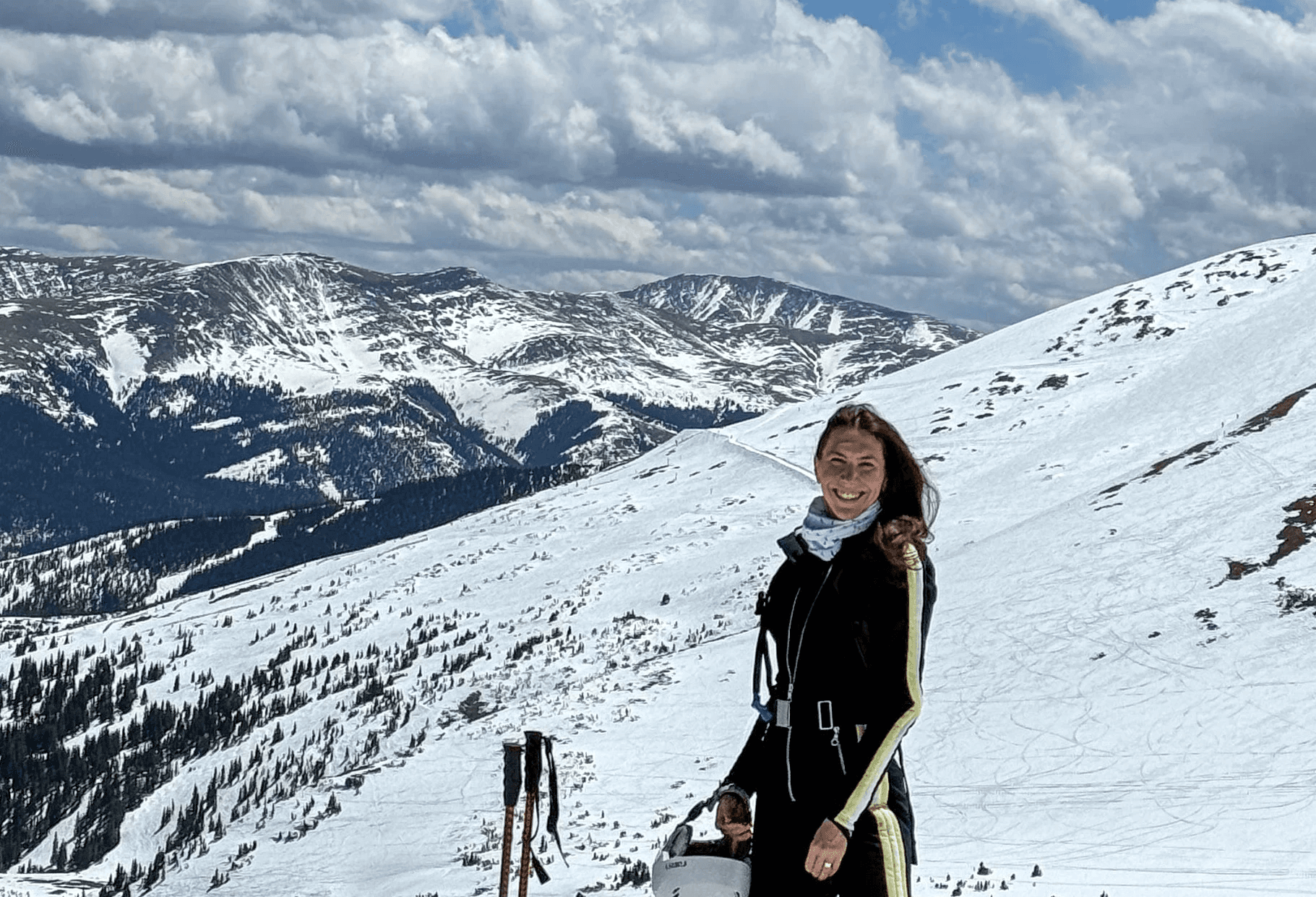
Last week I took a trip to Big Sky, Montana - a vast, high-altitude mountain range - for a group birthday trip. Sitting just above 8,000 feet at the base, the snow-capped peaks can take your breath away just as quickly as the elevation can drain the moisture from your skin.
The crew quickly settled in, and early the next morning we headed out for a full day exploring the mountain’s diverse terrain. After five intense hours of skiing and nearly 20,000 feet of vertical terrain covered (tracked on the Slopes app), we finally answered the call of après and made our way to Umbrella Bar at the base. Helmets and goggles came off. The excitement of the first day was still buzzing, but what remained were under-eye goggle rings, goggle tans, sunburned noses, and cracked lips.
One friend leaned over and asked a fair question, how is your skin glowing after eight hours in these conditions?
What’s interesting about skiing out west—and similarly in the Alps—is that cold air at high elevation retains substantially less moisture. The brilliant sunshine is misleadingly intense, both from above and below. Snowpack can reflect up to 80% of ultraviolet radiation back toward the face, while UV intensity itself increases roughly 10–12% for every 1,000 meters gained (~3,300 ft). Add in wind, snow, intense exercise, and dehydration, and the result can be particularly harsh on your skin.
What my friend hadn’t noticed were my near-religious reapplications throughout the day of fragrance-free lip balm, face lotion, and SPF—all tucked into travel-sized tubes—as she bemoaned her resemblance to a shriveled raisin.
While I would love to claim this glow comes from acclimation after living and traveling from the Mile High City of Colorado, the real answer is far simpler and far more achievable. With the right products and a thoughtful layering regimen, anyone can finish the day with healthy, hydrated skin and hands.
Here’s the fragrance-free protocol I rely on when skiing, whether downhill or cross-country, or walking around in cold, high-altitude conditions.
Why altitude is so harsh on your skin
High-altitude environments create the perfect storm for skin dehydration, irritation, cracking, and accelerated wrinkling.
Cold mountain air holds very little moisture, which increases transepidermal water loss. This is the process where water escapes from the skin barrier into the surrounding air. As humidity drops, the skin loses hydration faster than it can replenish it. Wind adds a second stressor. Strong alpine winds physically disrupt the outermost layer of the skin, weakening the barrier and leading to irritation and inflammation commonly referred to as windburn.
At the same time, ultraviolet exposure increases significantly with elevation. As the atmosphere becomes thinner, there is less air and ozone available to absorb UV radiation. Meaning skin receives substantially more radiation on the mountain than at sea level.
Practically speaking, skin that feels balanced and comfortable at sea level can become dry, sensitive, and inflamed after only a few hours at altitude. Therefore, the goal is more than moisturizing… the real strategy is barrier support and environmental protection of the skin barrier while shielding it from UV exposure, wind, and extreme conditions.
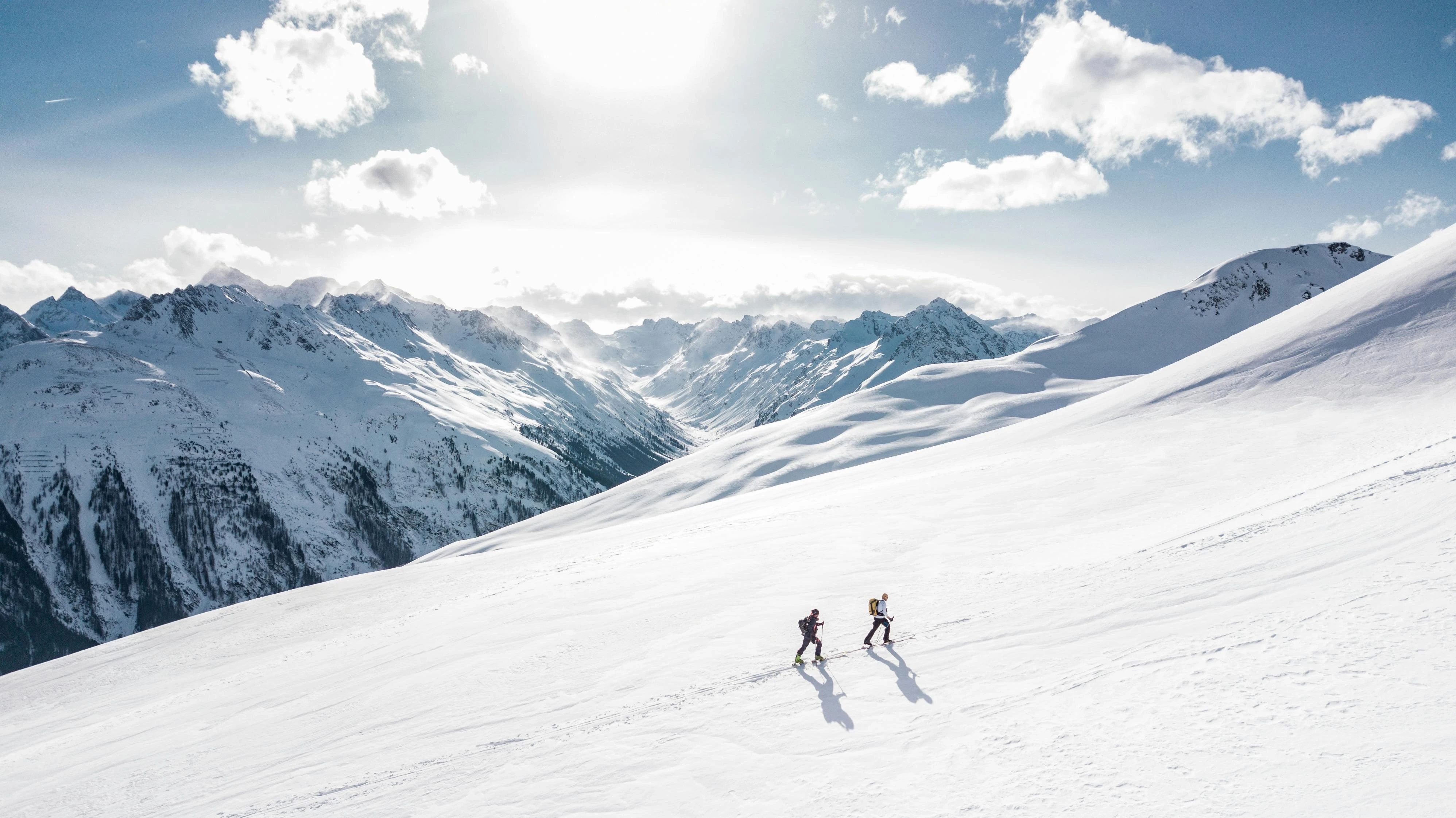
How to tackle high-altitude skin dehydration
I like to think of protection in three phases: preparation before heading out, protection throughout the day, and barrier repair after returning from the mountain.
When skiing, I rely on five core protective products, layered in a deliberate order, reapplied throughout the day, and again in the evening. The order matters: hydration first, sunscreen second, and an occlusive barrier last to seal everything in and protect against wind and cold.
A hydrating moisturizer or serum
A mineral sunscreen
A thicker wind protection product
A barrier-creating lip balm
An occlusive hand lotion
Each layer serves a distinct role in protecting the skin barrier throughout the day. Products recommended and reviewed by The Fragrance Free are products we use, love, or have heavily researched. If you click an affiliate link and make a purchase, we may receive a small commission (at no extra cost to you) that we will use to explore more amazing fragrance-free products.
Step 1: Start with moisturizing your face
Hydration beneath sunscreen dramatically improves skin comfort during long ski days. A moisturizer or serum helps maintain water content in the skin while reducing the tightness and irritation that often develop in cold, dry air.
Look for formulas containing:
Glycerin
Ceramides
Hyaluronic acid
Squalane
These ingredients help attract, replenish, and retain moisture in the skin while supporting the integrity of the skin barrier.
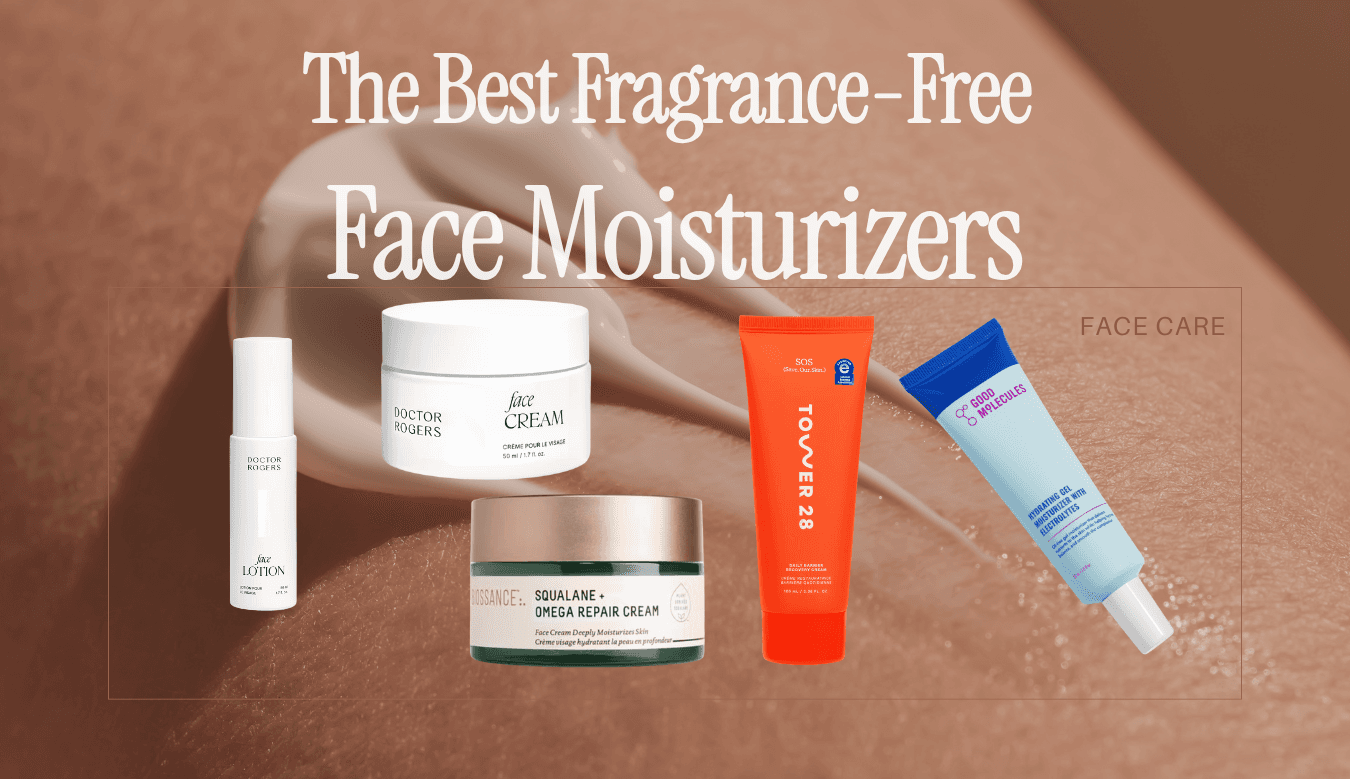
Fragrance-free facial moisturizers and lotions that tend to perform particularly well in cold climates include:
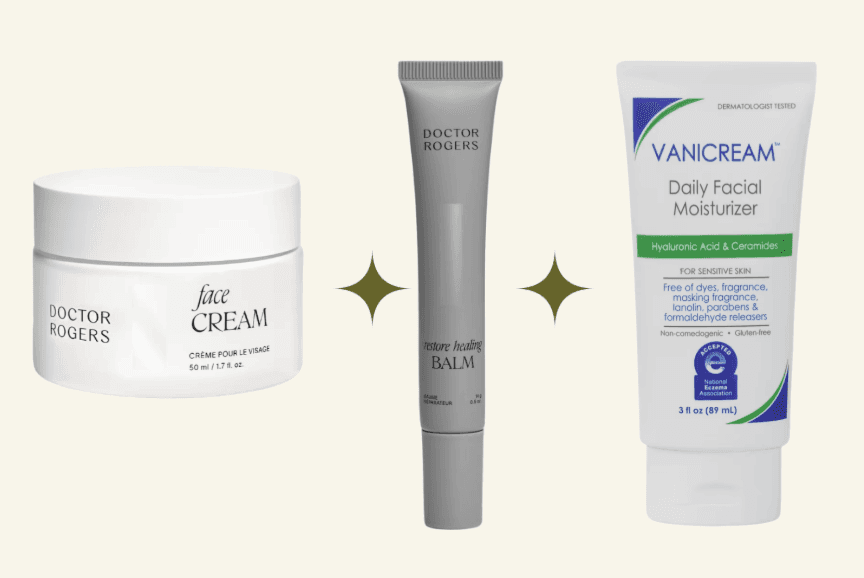
These ingredients help draw water into the skin while supporting the lipid barrier that prevents moisture loss. In cold climates, dermatologists actually recommend applying moisturizer and serum 10–15 minutes before sunscreen, allowing the humectants and lipids time to properly absorb and support the skin barrier before exposure to the elements.
Step 2: Protect against the sun's UV rays
Sunscreen is the most important step at altitude. UV exposure increases significantly with elevation, and snow can reflect ultraviolet light back toward the face throughout the day. Mineral sunscreens, like Zinc oxide-based products, provide broad-spectrum protection against both UVA and UVB rays and are generally well tolerated by sensitive skin. Even when the sky looks overcast, UV exposure is still present, so it’s important to prepare for the ever-changing conditions on the mountain.
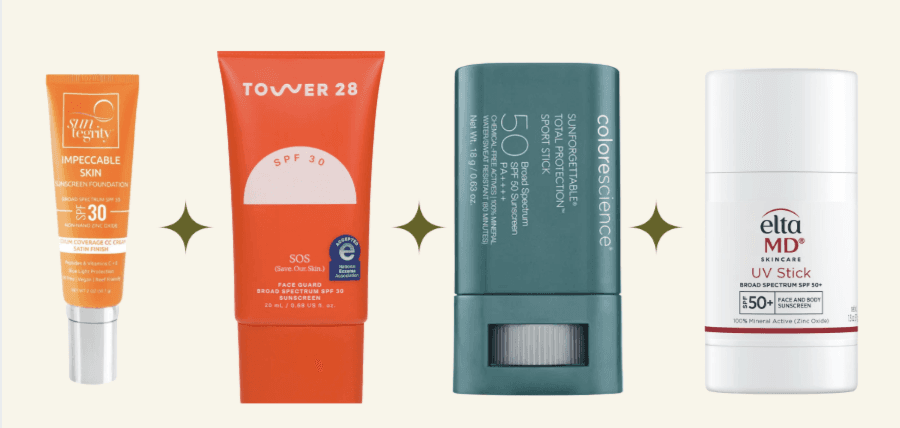
Fragrance-free mineral sunscreen options include:
Suntegrity, Impeccable Skin SPF 30
Tower 28, SOS SPF SPF 30
Colorescience, Sport Stick SPF 50
EltaMD, UV Stick SPF 50+
Sunscreen should be applied generously in the morning and reapplied approximately every two–three hours to the face and neck while spending extended time outdoors.
Step 3: Create a barrier between your skin and the wind
Wind exposure accelerates moisture loss from the skin and can cause irritation on exposed areas of the face, particularly the nose and cheekbones. Think of the red, flaky nose many skiers have by the end of the day.
A thin occlusive layer can help reduce this effect. A small amount of balm applied to wind-exposed areas of the face can dramatically reduce irritation.
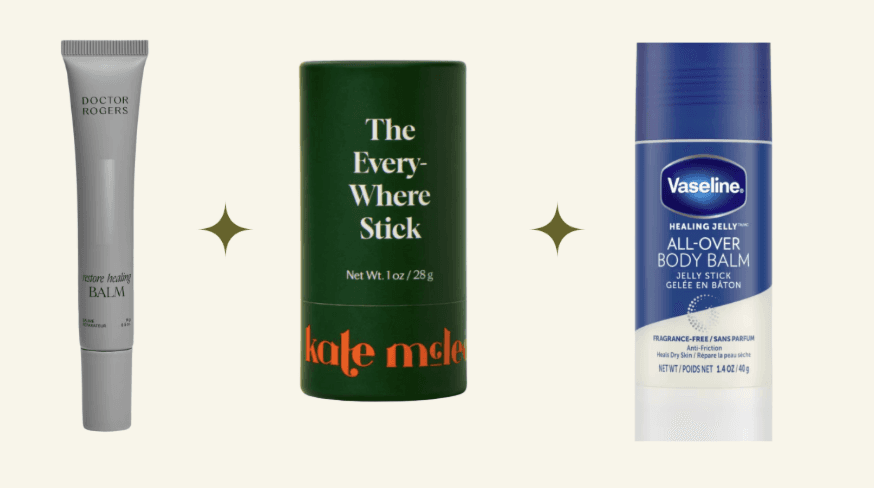
Fragrance-free wind protective options include:
Step 4: Moisturize and protect those lips
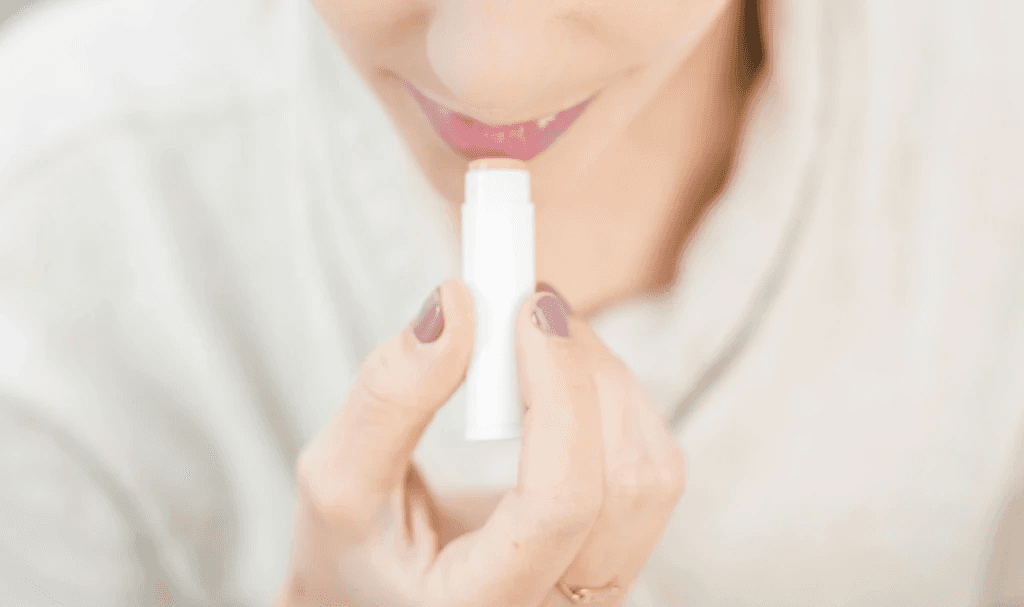
Lips are particularly vulnerable to dehydration in alpine environments. Cold air, wind, and sun exposure can quickly break down the delicate lip barrier, making frequent reapplication throughout the day essential.
Fragrance-free lip protection options include:
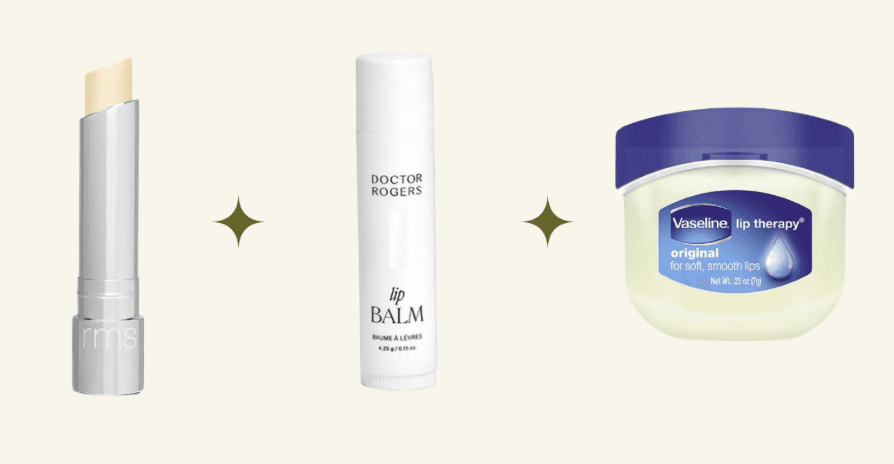
Reapply lip balm approximately every 60–90 minutes while skiing.
Step 5: Hide and hydrate your hands
Hands experience constant exposure while skiing from wind, snow, and sun. Barrier-supportive hand creams help maintain hydration and prevent dryness and cracking throughout the day.
Fragrance-free options hand lotions include:
Nécessaire, The Hand Cream
Doctor Rogers, Restore Healing Balm
Avene, Cicalfate Restorative Hand Cream
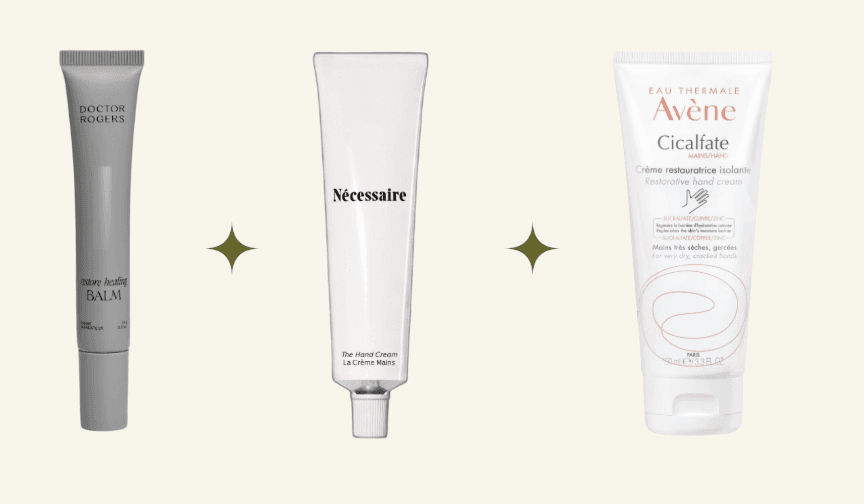
Even with careful layering in the morning, alpine conditions require ongoing protection throughout the day.
Pocket-sized products to keep in your ski jacket
Even the best morning routine will not last through an entire ski day. Small travel-size products make reapplication easy and dramatically improve skin comfort.
My ski jacket pocket kit includes:
Cream that can double as a facial moisturizer or hand cream
Fragrance-free lip balm
Mineral sunscreen for face and hands
A water bladder
Reapply sunscreen every two–three hours (depending on conditions… if visibility is low or the sky is overcast, reapplication can be slightly less frequent), lip balm every 60–90 minutes, and hand cream whenever hands begin to feel dry, especially after washing or prolonged exposure to the cold. These quick reapplications, which can easily be done on the chairlift, will often make the difference between finishing the day with comfortable, hydrated skin or looking windburned and depleted.
Physical barrier skin protection strategies when skiing
Protecting your skin on the mountain is not only about what you apply to it. Physical barriers also help shield the skin from wind, sun, and rapidly changing weather conditions.
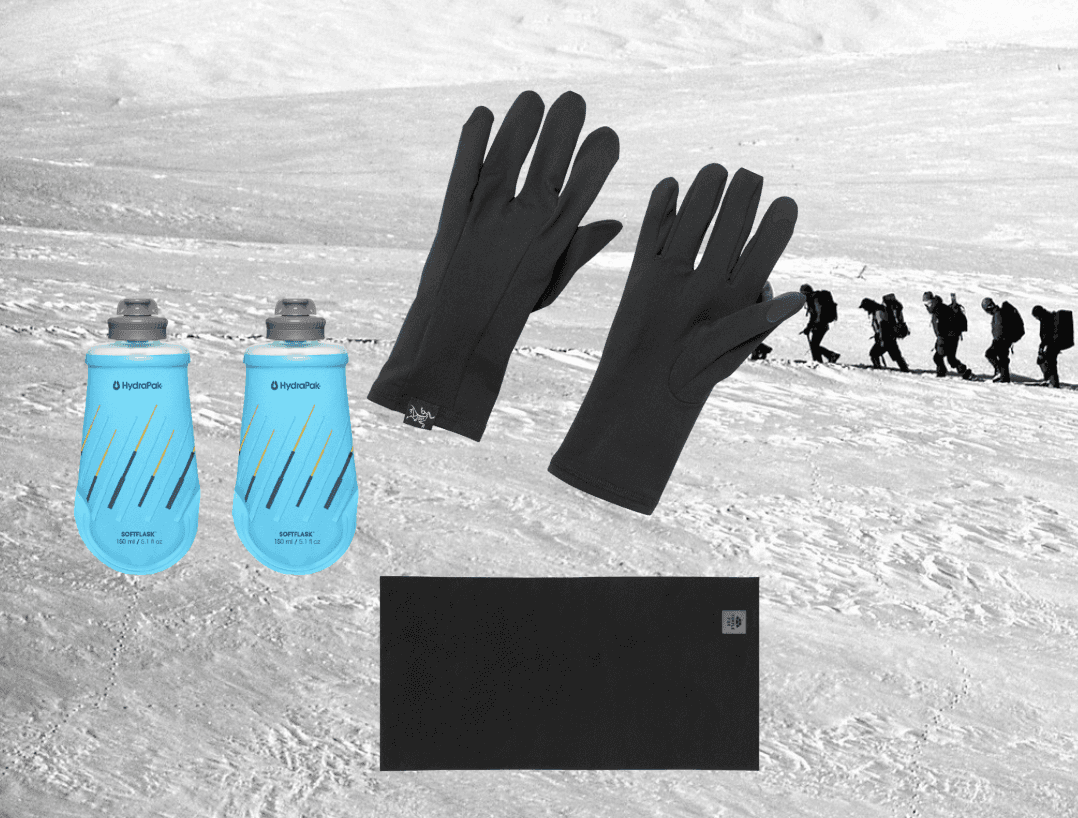
Neck gaiters – A breathable neck gaiter or face covering does more than keep you warm. It helps shield the lower face and neck from wind, reducing irritation and moisture loss throughout the day.
Glove liners – Thin glove liners help retain warmth and manage moisture inside ski gloves, and keep your fingers warm when you need to remove your primary gloves to adjust boots or take photos.
Hydration bladder – Cold weather can dull your sense of thirst, but dehydration contributes significantly to dry skin at altitude. Since you never quite know when the next lodge will appear, keeping a refillable silicone hydration bladder in your pocket or backpack makes it easy to take small sips throughout the day.
What to avoid
Cold environments make skin more reactive, which means certain ingredients can increase irritation.
What to avoid:
Products with high concentrations of alcohol or drying alcohol-derived ingredients
Fragrance or parfum
Essential oils used for scent
Fragrance-free formulations reduce unnecessary irritation when the skin barrier is already under environmental stress.
Hydrated, healthy skin
With preparation, proper layering, and fragrance-free formulations that support the skin barrier, it is entirely possible to ski all day while protecting your skin even in high-altitude, cold, windy, and variable mountain conditions.
Après should be spent basking in the glow of the day, not taking inventory of the skin damage accrued. When the goggles come off, the fun should begin.
The goal is simple: enjoy the mountain, and keep your skin comfortable, hydrated, and ready for the next day’s ski adventure.
If you’re curious about what’s next in the world of fragrance-free beauty and wellness, follow along on Instagram and TikTok for real reviews, daily rituals, and insider insight into the cleanest products out there.
Sources and references
The environmental and skin-barrier insights discussed in this article are supported by dermatology research and public health resources. If you're curious about the science behind altitude, UV exposure, and skin barrier function, these sources are a great place to start.
World Health Organization (WHO), Global Solar UV Index: A Practical Guide https://www.who.int/publications/i/item/9241590076
National Snow and Ice Data Center, Snow Reflectance and Albedo
https://nsidc.org/cryosphere/snow/science/albedo.htmlElias, P. M., Stratum Corneum Defensive Functions: An Integrated View
Journal of Investigative DermatologyRawlings, A. V., & Harding, C. R., Moisturization and Skin Barrier Function
American Academy of Dermatology, Sun Protection and Mineral Sunscreens
https://www.aad.org/public/everyday-care/sun-protectionLodén, M., Role of Topical Emollients and Moisturizers in Skin Barrier Function
American Journal of Clinical DermatologyProksch, E., Brandner, J., & Jensen, J., The Skin: An Indispensable Barrier
Experimental DermatologyPopkin, B. M., et al., Water, Hydration, and Health
Nutrition Reviews




RECENT BLOGS